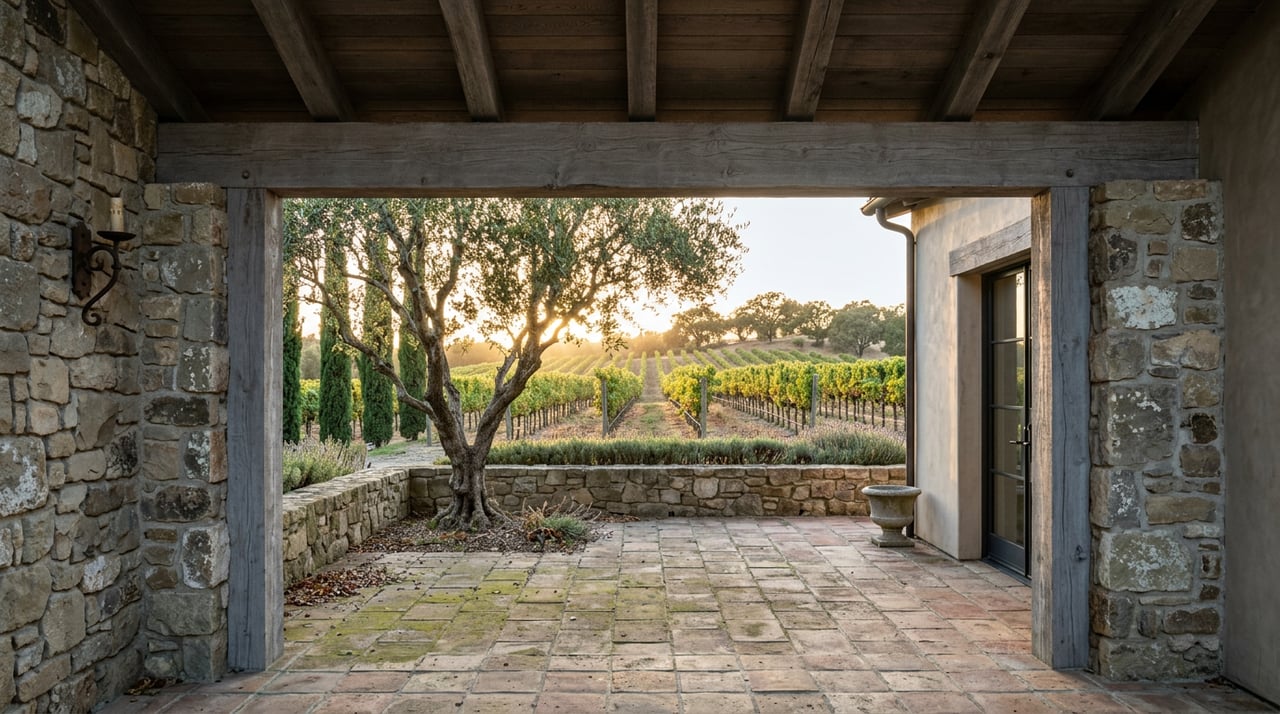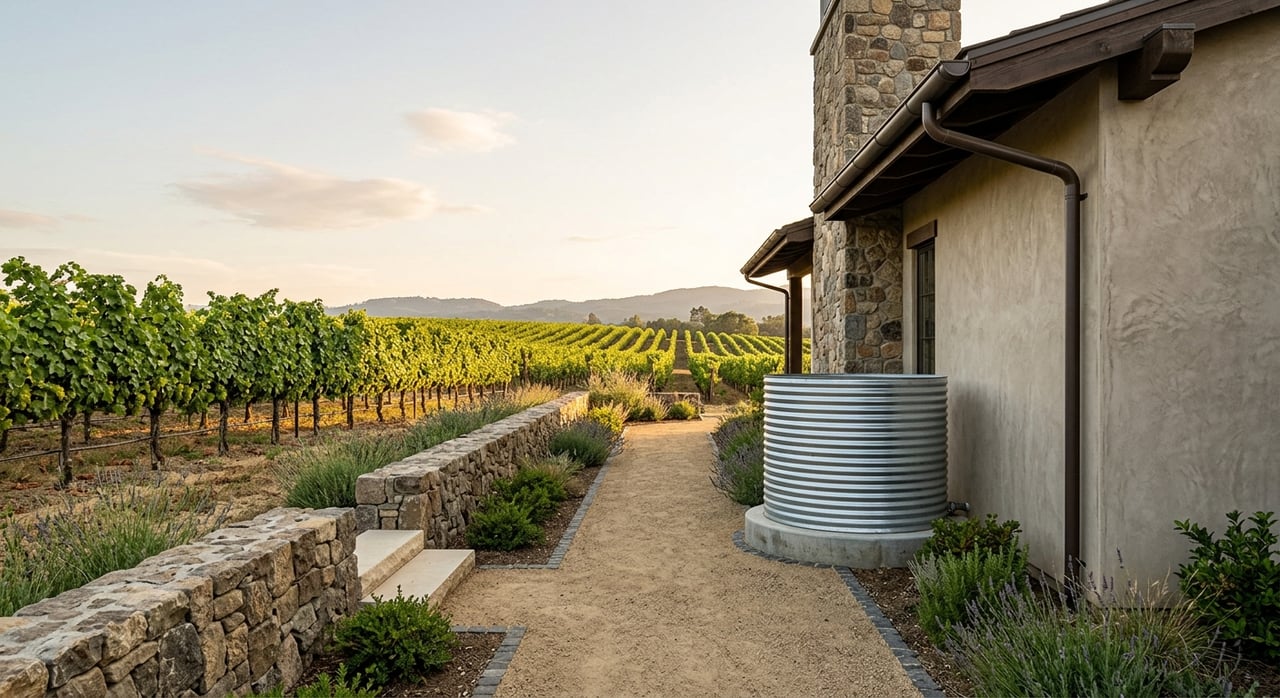
If you have ever imagined waking up beside vine rows in Healdsburg, you already understand the pull. The setting offers beauty, privacy, and a direct connection to one of the most concentrated wine landscapes in California, but the revenue side is more nuanced than many buyers expect. If you are weighing a vineyard-adjacent estate as both a lifestyle purchase and a financial asset, this guide will help you separate romance from reality and focus on what truly drives value. Let’s dive in.
Why Healdsburg Feels So Rare
Healdsburg holds a special position in Sonoma County. The city sits near the meeting point of the Russian River Valley, Dry Creek Valley, and Alexander Valley, and it is surrounded by more than 60 wineries according to the City of Healdsburg.
That location matters because the appeal is not just scenic. Sonoma County has 19 American Viticultural Areas and nearly 63,000 acres of vineyards, or about 6% of the county’s land area, which creates a concentrated wine-country setting that is difficult to replicate elsewhere.
For you as a buyer, that means a vineyard-adjacent estate in Healdsburg can offer something beyond a beautiful home. It can place you inside a working agricultural landscape with lasting regional identity, established prestige, and a strong sense of place.
Lifestyle Value Comes First
Many buyers begin with the revenue question, but in Healdsburg, lifestyle value often comes first. A vineyard-adjacent estate may deliver long views, a sense of openness, and the experience of living near one of Sonoma County’s defining industries.
That does not mean every property is a reliable income generator. In many cases, the scenic setting is the most consistent source of value, while revenue depends on the details of land use, water, improvements, permits, and management.
This distinction matters because gross agricultural output is not the same as property-level profit. Sonoma County’s 2024 crop report put total gross agricultural production at $857.6 million, with winegrapes accounting for $626.6 million, but those figures do not reflect individual operating costs or net returns.
How Revenue Usually Works
If you are hoping the vineyard setting will pay for itself, it is important to know where income actually comes from. Adjacent vineyards do not usually create revenue on their own.
In practical terms, estate income typically comes from one of three paths:
- Your own farm program
- A lease arrangement
- A permitted agritourism or hospitality use
That framework is consistent with Sonoma County land-use rules and UC guidance on agricultural leasing. The opportunity can be real, but it is rarely passive.
Lease Structures to Understand
UC ANR identifies two common structures for agricultural land leases: cash rent and crop-share. Cash rent provides a fixed payment, while crop-share divides gross income and production risk between owner and tenant.
For you, the difference is straightforward. Cash rent may offer more predictability, while crop-share may create more upside in strong years but also more exposure when production or pricing softens.
UC ANR also notes that longer leases, often at least five years, can help justify tenant investment in repairs and infrastructure. That can be especially relevant if a property includes vineyard improvements, roads, irrigation components, or agricultural facilities.
Agritourism Can Be Possible
Some buyers are drawn to the idea of pairing an estate with hospitality use. Sonoma County does allow tightly regulated agritourism in agricultural areas, but the rules are specific.
For example, a farmstay requires a zoning permit and must be located on a parcel that produces commercial agricultural products. Lodging and meals must remain incidental and secondary to agriculture, the county requires an Agricultural Promotion Plan, and occasional cultural events are capped.
In other words, agritourism can support an estate’s overall value proposition, but it is not a free-form hospitality play. If this is part of your strategy, entitlement review should happen early.
Regulations Shape the Upside
In Healdsburg-area wine country, land use rules play a major role in what you can and cannot do. If a parcel sits in an agricultural or resource zone, or is subject to a Williamson Act contract, flexibility may be more limited.
Sonoma County’s framework is designed to protect agricultural land, preserve the agricultural economy, and keep certain rural properties aligned with farming use over time. That supports the working-land character many buyers want, but it can reduce easy conversion or redevelopment options later.
This is one of the biggest strategic points for buyers. Long-term value in these estates is often tied to preservation, scenic rarity, and agricultural continuity rather than rapid repositioning.
Jurisdiction Matters Early
Not every Healdsburg-area property falls under the same rules. If a parcel is inside the City of Healdsburg rather than in unincorporated Sonoma County, county ordinances are not the whole story.
That is why confirming jurisdiction early is so important. Before you assume a use is allowed, you need clarity on which set of local rules applies.
Vineyard Operations Are Active, Not Passive
Even if you are not planning to operate a vineyard yourself, understanding the basics can help you evaluate a property more intelligently. Vineyard ownership requires ongoing attention to water, soils, timing, and seasonal work.
UC IPM notes that irrigation is essential for good vine growth and grape production. Irrigation frequency can vary based on soil, root depth, and weather, and grapes may need more frequent irrigation in hot inland valleys.
For you, that makes water access and delivery infrastructure central due diligence items. A beautiful setting may not translate into a sound land program if the water picture is weak or incomplete.
Floor Management Never Really Stops
Vineyard floor management is another ongoing responsibility. UC IPM explains that weeds compete with vines for water, nutrients, and sunlight, and can interfere with harvest and other cultural practices.
Management choices depend on climate, soils, irrigation method, and topography. That means operations need to be adapted to the site rather than treated as a simple maintenance line item.
Cover Crops Have Benefits and Tradeoffs
Cover crops can improve erosion control, water infiltration, soil structure, and visual appeal. At the same time, UC ANR and UC IPM note that they also consume water and can increase frost risk if not timed and managed correctly.
Especially in frost-prone areas, mowing and seasonal timing matter. This is another reminder that a vineyard landscape may look effortless from a distance, but it depends on disciplined management.
Development and Replanting May Trigger Review
Buyers sometimes assume that because a property is already in wine country, future changes will be simple. In Sonoma County, that is not always the case.
Chapter 36 regulates new vineyard and orchard development, replanting, and agricultural grading and drainage. So even if an estate already sits within a vineyard district, a new land program or significant change may require permitting and erosion-control review.
This is where technical land expertise can add real value. A property’s headline appeal may be obvious, but its true potential often depends on parcel research, land-use analysis, and a careful reading of what the site can support.
Harvest Timing and Market Cycles Matter
A vineyard-adjacent estate may feel timeless, but grape economics are not static. Sonoma County’s 2024 crop report described the harvest as calm overall, yet noted that late varieties had to be picked ahead of a heat spike and that significant tonnage was left on the vines because of decreased demand.
That is an important signal for buyers who are underwriting vineyard-related income. Even in premium Sonoma County territory, operations can become seasonally compressed and market conditions can shift quickly.
The same report shows winegrape value fell 12.59% from 2023. So while the landscape may hold enduring appeal, revenue tied to grape production can be cyclical.
What Right to Farm Means for Daily Life
One of the most important realities of vineyard-adjacent ownership is that working agriculture comes with activity. Sonoma County’s Right to Farm Ordinance protects properly conducted agricultural operations on agricultural land in the unincorporated county from being treated as a nuisance.
The county’s disclosure language warns neighboring owners about potential noise, odors, dust, smoke, insects, machinery use at any time of day or night, and fertilizer or pesticide applications. If you love the vineyard setting, you also need to be comfortable with the agricultural activity that helps create it.
Traffic patterns can also feel different during active farming periods. Harvest timing, machine movement, and spray activity can all affect how a road, lane, or rural approach feels at certain times of year.
A Smarter Way to Evaluate These Estates
If you are seriously considering a Healdsburg vineyard-adjacent estate, it helps to evaluate it through two lenses at once: lifestyle value and operating value. The strongest properties often succeed because they are compelling on both fronts, but the two are not always equal.
A practical review should include:
- Jurisdiction and zoning
- Whether a Williamson Act contract applies
- Water source and irrigation infrastructure
- Existing vineyard or farm lease terms
- Permitted and potential agricultural uses
- Agritourism or hospitality constraints
- Replanting, grading, and erosion-control issues
- Exposure to harvest activity, noise, and traffic
When those fundamentals line up, you may have a property with both personal enjoyment and long-term resilience. When they do not, the estate may still be beautiful, but the revenue story may be thinner than it first appears.
Balancing Legacy and Income
The best Healdsburg vineyard-adjacent estates are often best understood as legacy assets first and income opportunities second. Their lasting strength usually comes from location, scarcity, scenic continuity, and alignment with the broader agricultural landscape of Sonoma County.
That does not mean revenue is out of reach. It means the revenue side needs to be approached with discipline, local knowledge, and a clear understanding of what the parcel can legally and operationally support.
If you are considering a purchase or preparing to position a vineyard-adjacent estate for sale, working with advisors who understand parcel research, permitting context, vineyard realities, and high-value rural marketing can make the process far more informed. For tailored guidance on Healdsburg vineyard and estate properties, connect with Jeff & Casey Bounsall.
FAQs
What makes Healdsburg vineyard-adjacent estates distinctive?
- Healdsburg sits near the meeting point of the Russian River Valley, Dry Creek Valley, and Alexander Valley, giving you access to a rare concentration of vineyard landscape and wine-country identity.
Can a Healdsburg vineyard-adjacent estate produce income?
- Yes, but income usually comes from your own farm program, a lease, or a permitted agritourism use rather than from adjacent vineyards alone.
What lease structures are common for Sonoma County agricultural land?
- UC ANR identifies cash rent, which is a fixed payment, and crop-share, which splits gross income and production risk between owner and tenant.
Are farmstays allowed on agricultural property near Healdsburg?
- In unincorporated Sonoma County, farmstays may be allowed with a zoning permit on parcels producing commercial agricultural products, but lodging and meals must remain secondary to agriculture and additional county requirements apply.
What should buyers know about vineyard operations in Healdsburg?
- Buyers should understand that irrigation, weed control, cover crop timing, and seasonal farm activity are ongoing parts of vineyard management and can affect both operating cost and daily experience.
Does Right to Farm affect living next to vineyards in Sonoma County?
- Yes, in unincorporated Sonoma County, properly conducted agricultural operations are protected, and neighboring owners may experience noise, odors, dust, machinery use, and harvest-related traffic.
Why is due diligence so important for Healdsburg estate buyers?
- Due diligence helps you confirm jurisdiction, zoning, water infrastructure, lease terms, permitted uses, and development constraints before you rely on a property’s income or future-use potential.