If you want to sell a Geyserville vineyard but keep the operation running without a hard break, a leaseback can be a smart bridge. It can help you transfer ownership, preserve farming continuity, and give a buyer time to step into the asset with less disruption. The key is getting the structure right from the start, especially in a market shaped by vineyard economics, agricultural land-use rules, and long-term legacy ownership. Let’s dive in.
Why leasebacks matter in Geyserville
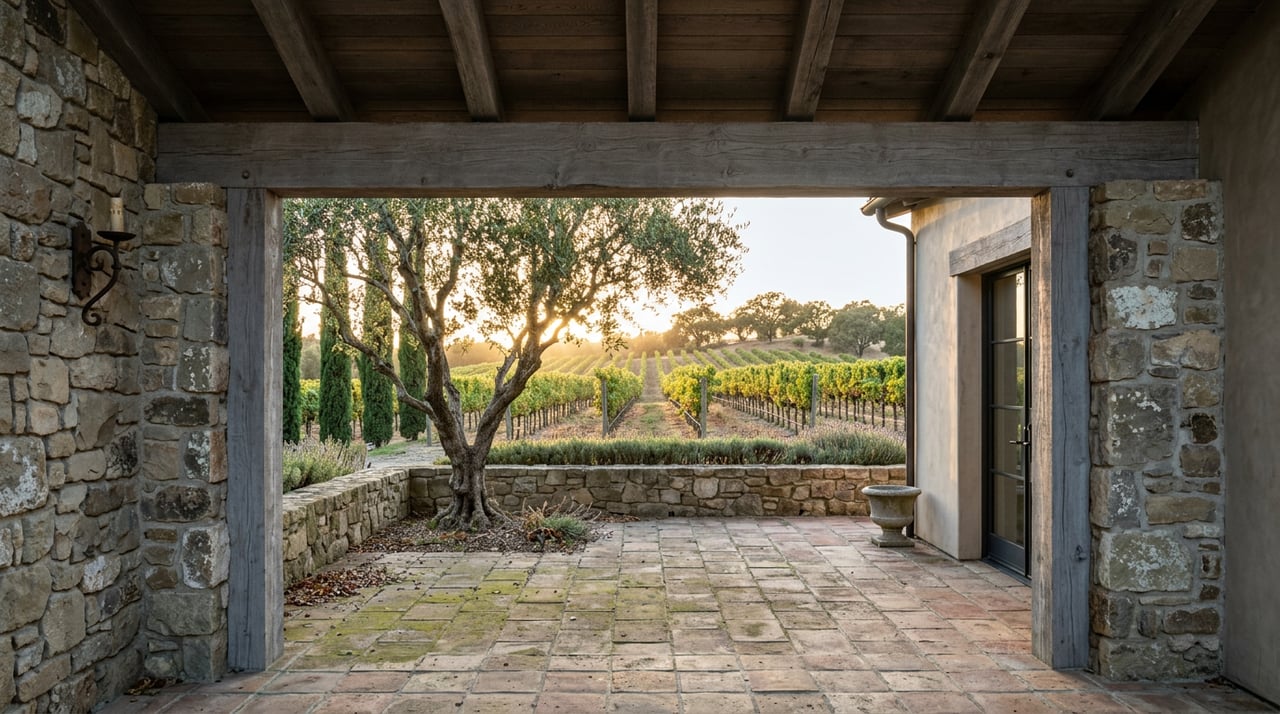
Geyserville sits within Alexander Valley, an area that includes much of Healdsburg and Geyserville and is widely associated with vineyard land and wine production. Sonoma County remains a major winegrape region, with about 58,713 planted acres reported in 2024. That scale matters because buyers and sellers here are often thinking beyond a simple land transfer.
In Sonoma County, 95% of vineyards are family owned and operated. That helps explain why many transactions involve continuity goals, not just price. In Geyserville, a seller may want to monetize land value while keeping farming in place for a period of time, and a buyer may want stable operations while planning a longer-term transition.
Countywide numbers also support a more careful deal structure. Sonoma County’s 2024 crop report showed winegrape tonnage falling to 211,511 tons, average price per ton slipping to $2,962, and total winegrape value declining 12.59% from 2023 to $626,550,200. When pricing conditions are mixed, leasebacks can help both sides work through valuation gaps without interrupting production.
What a vineyard leaseback means
A leaseback usually means you sell the property and then lease it back so you can keep operating it for a set period. In a vineyard setting, that may allow you to continue farming, overseeing a crop cycle, managing a winery-related operation, or handling a staged transition with the buyer. The idea sounds simple, but the details drive the result.
For vineyard transitions, UC Agriculture and Natural Resources identifies three common lease structures that often form the foundation of these arrangements:
- Cash rent, which uses a fixed payment
- Crop-share, which splits income and risk
- Flexible rent, which combines fixed and variable components
A whole-property arrangement can also mix structures. For example, cropland may use crop-share while buildings or facilities use cash rent. That flexibility can be useful when a Geyserville property includes vines, production areas, storage, or other operational improvements.
Start with the business goal
Before negotiating terms, you need clarity on what the leaseback is meant to accomplish. Some sellers want a clean title exit but need time to finish a farming cycle. Others want recapitalization while preserving operating control for a few more years. Some buyers want immediate ownership but prefer the seller’s experience to remain in place during transition.
That is why the first conversation should not just be about rent. It should be about control, timing, risk, and operational continuity. In a vineyard sale, those points often matter as much as headline price.
Choose the right lease structure
Cash rent structure
Cash rent gives the buyer a fixed payment stream and puts more production and price risk on the tenant. This can work well when you want predictability and the seller-tenant is confident in the vineyard’s operating performance. It is often the cleanest format for accounting and negotiation.
The tradeoff is that fixed rent may feel harder to support when grape pricing is under pressure. With Sonoma County’s recent decline in total winegrape value, some parties may hesitate to lock into a number that does not adjust to operating conditions.
Crop-share structure
Crop-share divides income and risk between the parties. This can make sense when both buyer and seller want to stay economically aligned during the transition period. If crop results vary, both sides share the outcome rather than placing the full burden on one party.
This structure can be appealing where a seller has strong operational knowledge and a buyer values continuity. It may also help when the parties disagree on near-term income expectations but still want a path forward.
Flexible rent structure
Flexible rent combines a fixed base with a variable component tied to operating results or another agreed formula. In a market with changing tonnage, pricing, or yield expectations, this can be a practical middle ground. It gives the buyer some baseline return while allowing the economics to move with actual performance.
For Geyserville vineyard sales, flexible rent can be especially useful when the seller wants continuity and the buyer wants clearer capital discipline. It can also support deferred payment logic or a staged transition if both sides need time to align on value.
Key points to negotiate early
A vineyard leaseback works best when the major decision points are addressed before the contract is finalized. Waiting too long can create confusion about who controls the asset and who bears the cost of keeping it productive.
Focus on these questions early:
- Who controls farming decisions during the lease term?
- Who pays for routine vineyard maintenance?
- Who handles capital replacements or major system repairs?
- How is rent calculated?
- If revenue is shared, how is that measured and reported?
- What happens if operating conditions change sharply?
- What are the default remedies if the tenant fails to perform or the owner fails to cooperate?
These are not minor drafting points. They shape cash flow, risk allocation, and the working relationship after closing.
Watch the tax and ownership implications
One of the most important issues in a California leaseback is that a true sale-leaseback is not the same as a simple farm lease. The California Board of Equalization says sales and leasebacks generally count as changes in ownership requiring reappraisal of the entire property. It also notes that a leaseback of 35 years or more can create a second change in ownership.
The Board of Equalization also says the facts determine whether a sale-leaseback is really a financing arrangement or a true sale. That means lease term, renewal options, and any purchase or reversion rights deserve careful tax review before the deal is signed. A structure that looks efficient on paper can create very different property tax consequences depending on how it is drafted.
If the transaction is being completed through a legal entity, there is another layer to check. The Board of Equalization says that if a person acquires more than 50 percent of the ownership interest in a legal entity, that creates a change in control and the entity’s California real property may be subject to reassessment. It also states that BOE-100-B generally must be filed within 90 days, and recorded transfers usually involve a Preliminary Change of Ownership Report or, if that is not filed, a Change in Ownership Statement.
Consider Williamson Act status
If the parcel is enrolled in the Williamson Act, that status should be reviewed before you structure a leaseback. California’s Department of Conservation says Williamson Act contracts restrict land to agricultural or related open-space use. It also says land under contract is assessed based on farming or open-space use rather than full market value.
For you as a seller or buyer, that means the parcel’s tax posture, eligible uses, and long-term agricultural commitment may affect how the transaction should be structured. This is particularly important if the buyer is evaluating future operational plans beyond straightforward vineyard use.
Align the lease with Sonoma County rules
If the property includes a winery, tasting-room component, or event-related use, the lease cannot just address rent and possession. It also needs to align with Sonoma County’s agricultural land-use framework and winery operating standards.
Sonoma County’s winery ordinance states that agricultural production is intended to remain the primary use, while processing, support services, and visitor-serving uses are secondary and proportional. The ordinance also applies standards in agricultural zoning districts and regulates tasting rooms and winery events through use permits, operating hours, access, parking, neighborhood notification, and other operational rules. It further states that stand-alone tasting rooms are not allowed.
That matters because a leaseback can shift day-to-day control without changing the underlying permit obligations. If your Geyserville property has hospitality or visitor-serving components, the lease should clearly assign responsibility for permit compliance, operations, reporting, and any resulting default risk.
Match the structure to the likely buyer
In Geyserville, the most plausible leaseback buyers are often not generic investors. Given Alexander Valley’s vineyard base and Sonoma County’s family-owned vineyard profile, likely counterparties may include operating wineries, established grower families, or legacy owners focused on continuity. That often changes the tone of negotiation.
A continuity-minded buyer may be open to a structure that keeps the seller involved for a period of time, especially if the seller brings operational knowledge, local relationships, or a stable production system. In that setting, the best agreement is often the one that creates a smooth handoff rather than forcing an abrupt reset on day one.
Practical steps before you sign
A strong leaseback starts with a disciplined review process. In a vineyard transaction, you want the real estate terms and the operating terms to support each other.
Before moving forward, make sure you have clarity on:
- The exact lease term and any extension rights
- Farming control and approval rights
- Rent structure and payment mechanics
- Maintenance and capital expense allocation
- Winery or tasting-room permit obligations, if applicable
- Property tax and reassessment implications
- Williamson Act status, if applicable
- Entity ownership and reporting requirements, if applicable
This is where technical land knowledge becomes especially valuable. A vineyard sale in Geyserville is rarely just about acreage. It is about title, operations, regulatory alignment, and preserving value through a carefully structured transition.
If you are considering a vineyard sale with a leaseback component in Geyserville, the right guidance can help you evaluate the parcel, the operating framework, and the buyer fit before terms become difficult to unwind. For discreet, technical advice on vineyard and land transactions in Sonoma County, connect with Jeff & Casey Bounsall.
FAQs
What is a leaseback in a Geyserville vineyard sale?
- A leaseback means you sell the vineyard property and then lease it back for a period of time so you can continue farming or operating during the transition.
What lease structure works best for a Sonoma County vineyard leaseback?
- The best fit depends on your goals, but common options include cash rent, crop-share, and flexible rent, each with different risk and income tradeoffs.
Does a California vineyard sale-leaseback trigger reassessment?
- The California Board of Equalization says sales and leasebacks generally count as changes in ownership requiring reappraisal of the entire property, and leasebacks of 35 years or more can create an additional change in ownership issue.
How does Williamson Act status affect a Geyserville vineyard leaseback?
- If the parcel is under a Williamson Act contract, the land is restricted to agricultural or related open-space use and assessed based on that use, so the contract status should be reviewed before structuring the deal.
What if the vineyard property includes a winery or tasting room in Sonoma County?
- The lease should assign responsibility for permit compliance and operations because Sonoma County regulates winery-related uses through standards tied to agricultural zoning, operating limits, access, parking, and related requirements.
Who usually buys leaseback vineyard properties in Geyserville?
- Based on the area’s vineyard profile and ownership patterns, likely buyers often include operating wineries, established grower families, and legacy owners seeking continuity.