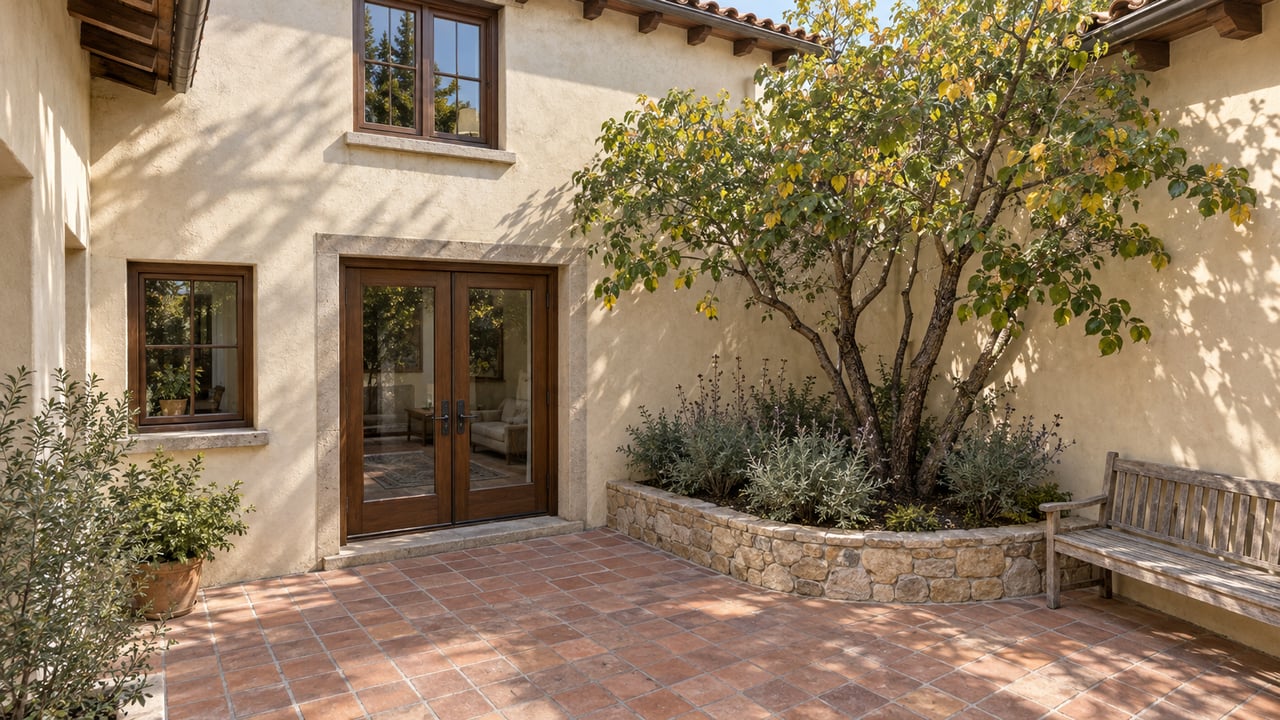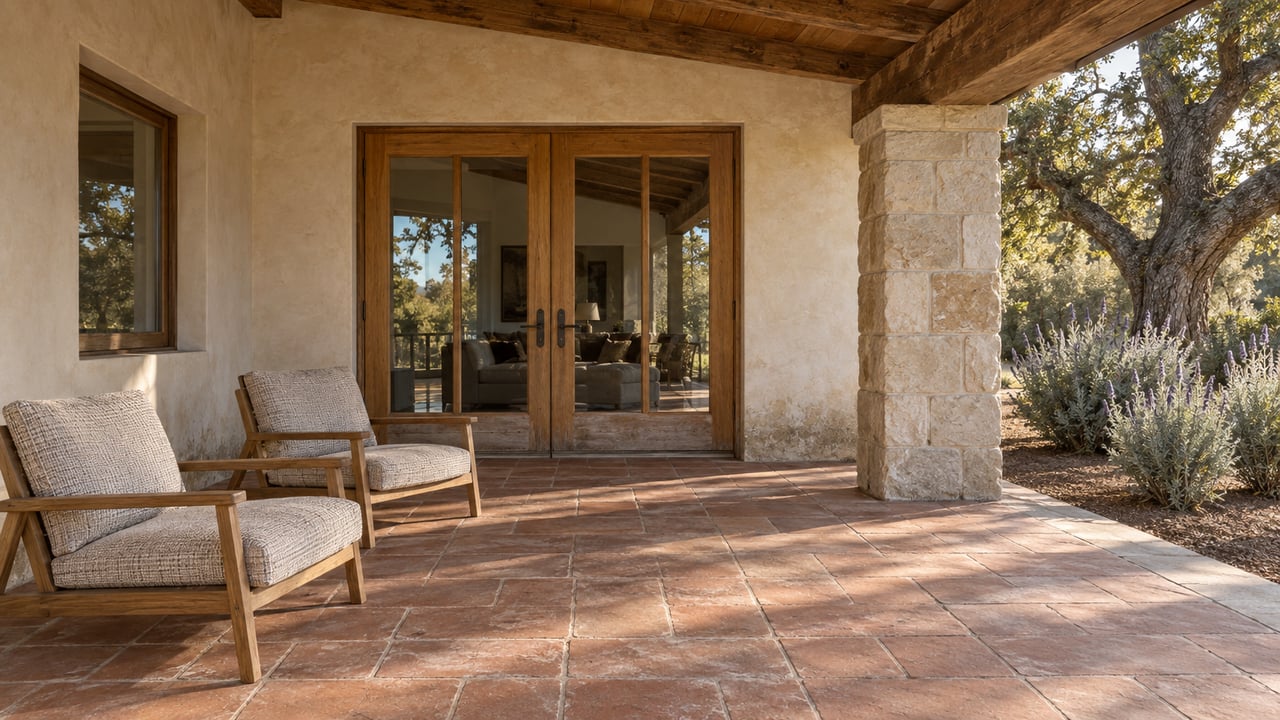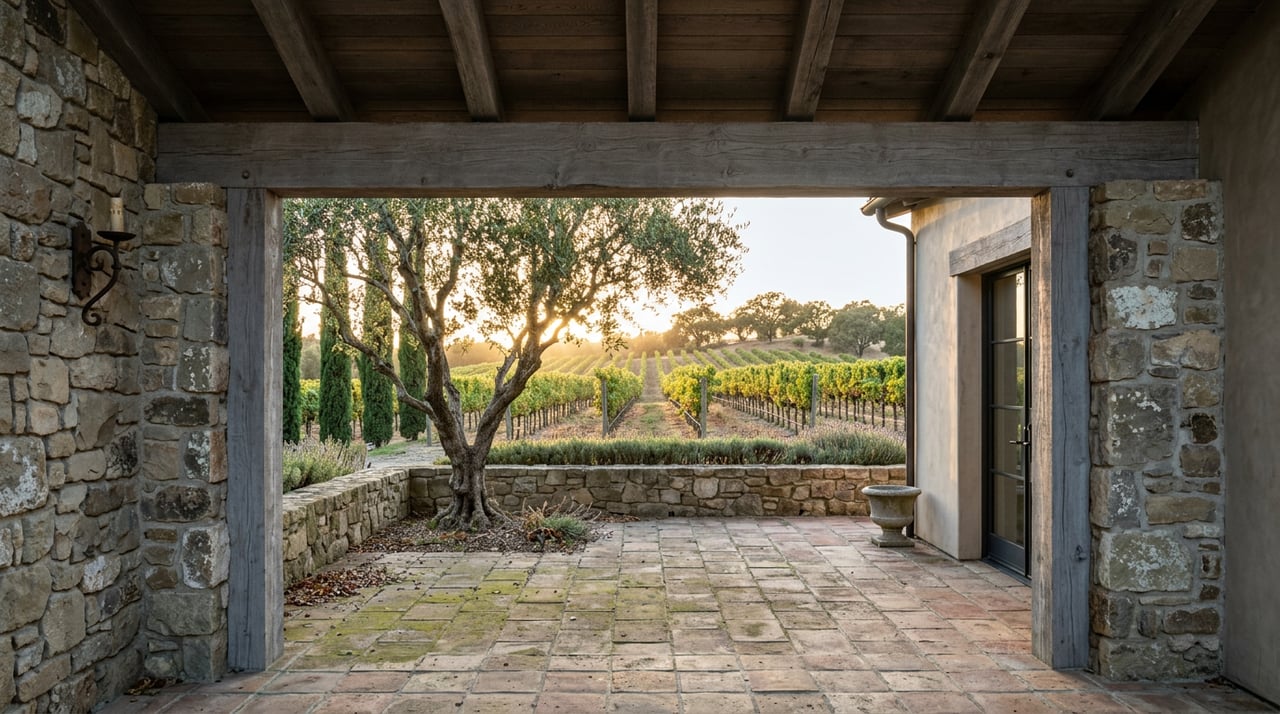
If you want a Wine Country home you can enjoy for a few days, lock, and leave with confidence, Yountville belongs at the top of your list. The town’s small scale, walkable dining scene, and strong service infrastructure make short stays easy and predictable. Add in data that shows a large share of homes used seasonally, and you have a clear case for a low‑maintenance base in the heart of Napa Valley. Here is how Yountville makes the lock‑and‑leave lifestyle work.
What makes Yountville lock-and-leave friendly
Walk to dining and tasting rooms
You can arrive, park once, and spend the weekend on foot. Washington Street concentrates destination restaurants and tasting rooms within a few compact blocks. The French Laundry remains a three‑MICHELIN‑starred anchor that draws food lovers from around the world, as noted by the MICHELIN Guide’s listing for The French Laundry. For variety beyond the icons, the town’s dining directory helps you map an easy, walkable itinerary.
Small footprint, easy routines
The town core covers roughly under one square mile, which keeps daily needs close. Central addresses often achieve walkability scores in the mid‑60s to low‑70s, while edge locations lean more car‑dependent. This scale lets you choose between a place steps from dinner or a quieter address with quick access to the core. The town’s planning documents reflect that compact footprint and pedestrian orientation (Town of Yountville overview).
Hospitality and transit support
Boutique hotels and inns act as a helpful backstop for guests or overlapping visits. Bardessono, for example, is a luxury property that underscores the caliber of local hospitality and service, highlighted in the Bardessono project profile. Getting around without a car is feasible, too. The free, on‑demand Yountville Bee trolley, VINE Transit connections, and the Napa Valley Vine Trail make short trips simple.
Central Napa base, simple access
Close to top AVAs and towns
Yountville sits in the center of Napa Valley and lends its name to the Yountville AVA, established in 1999. From a central address, you can reach neighboring AVAs like Oakville, Rutherford, Oak Knoll, St. Helena, and Calistoga in about 5 to 25 minutes in typical conditions. The AVA’s establishment date is documented by the TTB’s AVA records.
Straightforward airport reach
If you split time between regions, airport access matters. Driving from Yountville to San Francisco International Airport typically takes about 75 to 90 minutes depending on traffic, according to Travelmath’s drive-time estimator. Sonoma County’s Charles M. Schulz Airport is closer for some commercial routes and private charters, and there are nearby FBO options for business jet arrivals.
Homes that fit a lock-and-leave lifestyle
Market snapshot and pricing
Recent market snapshots in early 2026 placed the Yountville median sale value around the low‑to‑mid seven figures, with one data provider showing a median near about $1.2 million. Vendor numbers vary month to month. For precise pricing, work from current MLS data when you are ready to evaluate a specific property.
Turnkey formats and HOA support
Many lock‑and‑leave options here are condos, townhomes, and compact single‑level homes that emphasize quality finishes and manageable footprints. Two‑bedroom, two‑bath units in the 1,000 to 1,600 square foot range appear often. HOA‑managed grounds, exterior maintenance, and shared amenities reduce hands‑on tasks. Sample listings show HOA dues commonly in the range of about $600 to $900 per month, covering landscaping, exterior upkeep, insurance on common structures, pool or amenity care, and sometimes roof or structural coverage.
Second-home signal in the data
The numbers back up what you see on the street. In 2020, Yountville counted 1,348 housing units with 78 percent occupancy, and about 69 percent of vacant units were classified as seasonal, recreational, or occasional use. That is a clear sign that second‑home ownership is common here. See the breakdown in the Bay Area Metro census dashboard.
Practical tips before you buy
Know the short-term rental rules
Napa County and its cities take short‑term rental regulation seriously. Rules vary by jurisdiction, caps apply in some places, and enforcement occurs. If you want the option to rent for short stays, verify Yountville’s municipal code, permit status, and TOT requirements before you buy or advertise. A helpful overview of countywide rules is summarized by this STR regulations guide.
Understand taxes and carrying costs
California property taxes follow Proposition 13 mechanics: a base 1 percent rate plus voter‑approved assessments, determined by the county assessor. Expect supplemental assessments after a purchase, and budget for HOA dues, insurance, utilities, and possible HOA special assessments. For parcel‑specific questions, review guidance from the Napa County Assessor.
Build a low-maintenance setup
Lock‑and‑leave works best when your home is designed for it. Look for:
- Secure, deeded or covered parking.
- Climate‑controlled storage for wine.
- Reliable package and mail protocols.
- An HOA that manages landscaping and exterior work.
- Access to vetted local property management to check the home between visits.
How to choose your Yountville location
Maximize walkability
If walking to dinner is the priority, focus on central addresses near Washington Street and the Estate Yountville area. Start your search around the restaurant and tasting corridor and confirm the daily‑needs map using the town’s dining listings.
Opt for quiet and greenbelts
If you prefer a calmer setting, expand your search to the edges of town, including communities where condos and townhomes border greenbelts and creeks. Compare HOA rules, amenity sets, and maintenance coverage so you know exactly what is handled while you are away.
A weekend playbook that fits your life
- Friday: Arrive, park the car, unpack, and stroll to dinner.
- Saturday: Morning coffee and a bike ride on the Vine Trail, then a midday tasting. Nap and a walk to a casual spot for dinner.
- Sunday: Early brunch, a quick stop at a tasting room for pick‑ups, lock up, and head out.
Who thrives with this setup
If you make frequent, short visits or you split time between regions, Yountville’s efficiency pays dividends. Affluent repeat visitors and second‑home buyers often prioritize convenience over square footage, a trend echoed in industry coverage of resort‑style ownership models in Wine Country. For context on lock‑and‑leave demand in the region, see this market reporting on lifestyle‑driven purchases.
Ready to weigh a Yountville base against other Napa or Sonoma options? For discreet, high‑level guidance grounded in four decades of Wine Country experience, connect with Jeff & Casey Bounsall. We help you think strategically about how a town address can complement your broader vineyard, estate, or hospitality goals.
FAQs
Is Yountville good for low-maintenance second homes?
- Yes. A compact, walkable core, strong hospitality services, and census data showing many seasonal homes support true lock‑and‑leave living, as outlined in the regional census dashboard.
What prices and HOA dues should I expect in Yountville?
- Market snapshots in early 2026 place values around the low‑to‑mid seven figures, and sample condo HOA dues often range about $600 to $900 per month. Use current MLS data and community disclosures for exact figures.
Can I legally short-term rent a Yountville property?
- It depends. Rules vary by jurisdiction, permits can be capped, and enforcement occurs. Always verify the latest town code, permitting, and TOT requirements. Start with this countywide STR overview.
How long is the drive from Yountville to SFO?
- Typical drive time is about 75 to 90 minutes depending on traffic, per Travelmath’s estimate.
What makes Yountville especially walkable for short stays?
- The town core is under roughly one square mile, with central addresses often scoring mid‑60s to low‑70s for walkability. See the town’s planning overview and use the dining directory to map daily needs.