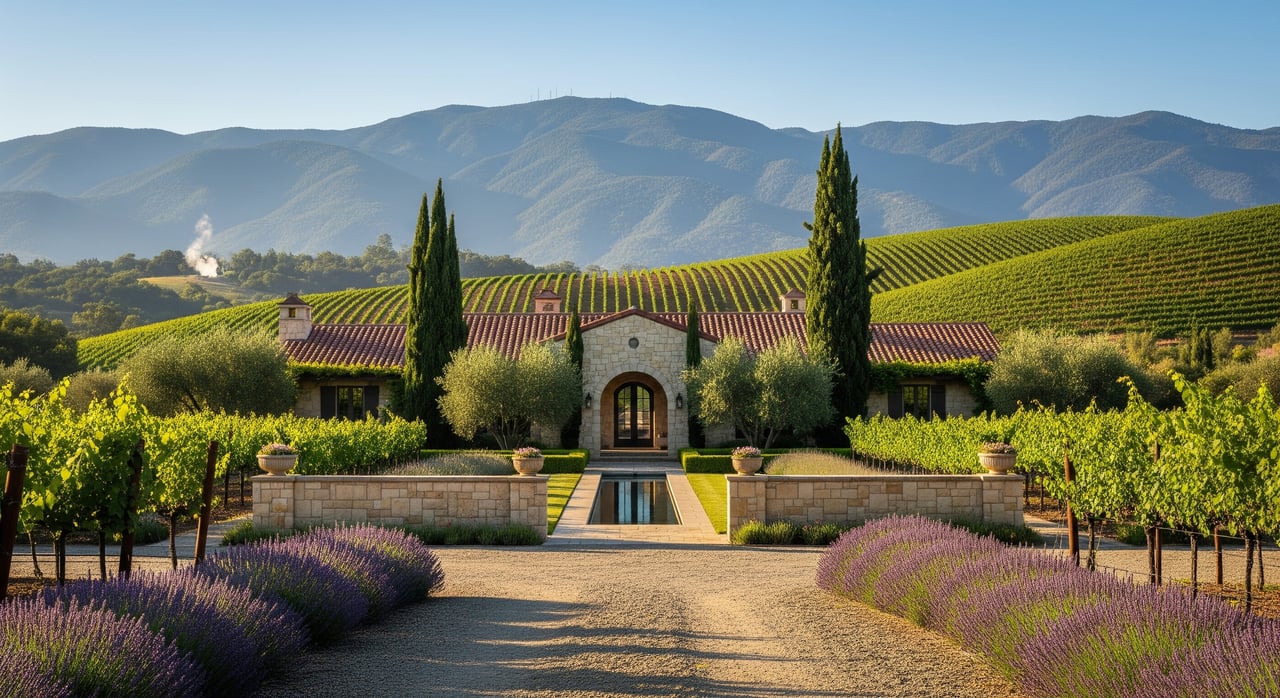
Torn between Calistoga and St. Helena for your private Napa Valley estate? You might be weighing quiet acreage and mountain views against the ease of a walkable, boutique town. This guide breaks down lifestyle tradeoffs, land-use rules, site and hazard considerations, and the must‑do due diligence that protects your investment. By the end, you’ll have a clear framework to choose the right fit for how you want to live. Let’s dive in.
Quick snapshot: how they differ
St. Helena sits mid‑valley, about 10 to 15 miles south of Calistoga, and the drive between them is roughly 15 to 25 minutes depending on route and traffic. St. Helena is historically one of Napa Valley’s most expensive residential markets with a compact, walkable downtown and high‑end dining and hospitality. Calistoga is known for geothermal hot springs, a more rustic and secluded feel, and strong access to outdoor recreation in the nearby mountains.
On pricing tendencies, St. Helena generally commands higher per‑square‑foot and per‑acre values. Calistoga can offer comparatively better values for larger parcels and privacy. Markets change quickly, so confirm current pricing and inventory with active, local data before you decide.
Lifestyle priorities to guide your choice
If you want a walkable town life
St. Helena offers a dense Main Street experience with boutiques, galleries, tasting rooms, restaurants, grocery options, and professional services in close reach. The town’s profile and prestige appeal to buyers who want a refined base with quick access to renowned valley‑floor wineries. Medical services, including a regional hospital presence at Adventist Health St. Helena, add practical convenience. Private hillside estates are available, but you will be closer to town activity.
If you want privacy and acreage
Calistoga tends to deliver larger, more secluded parcels and a rural character that feels removed from the busiest tourist corridors. You get proximity to hiking and rugged landscapes in the Mayacamas Mountains, plus the area’s signature hot springs and spa culture. Buyers seeking expansive grounds, potential vineyard space, and fewer immediate neighbors often find better options here. Services are available in town, but day‑to‑day errands can be more destination‑based than stroll‑out‑the‑door.
Understanding tourism patterns
Both towns see significant visitors, though for different reasons. St. Helena draws steady interest for restaurants and wineries concentrated along Main Street and nearby corridors. Calistoga’s hospitality skews toward spas and hot springs. If your estate is distant from either downtown, you will likely feel less tourist impact, but parcels near commercial winery activity can see visitor traffic during peak seasons.
Schools and healthcare access
School systems differ by district boundaries, with Calistoga Joint Unified School District serving Calistoga and St. Helena Unified School District serving St. Helena and adjacent areas. For healthcare, St. Helena’s hospital access is a notable asset, while Calistoga relies more on local clinics and hospitals in neighboring towns. Evaluate proximity and services based on your needs.
Land use: what you can do on your estate
Zoning and agricultural protections
Local land‑use rules are set by Napa County and each city. Properties inside city limits follow city codes, while unincorporated parcels follow county zoning and agricultural policies. Napa County strongly protects agricultural uses and limits parcelization and certain commercial intrusions. The zoning and any overlays will shape buildable envelopes, the number and type of structures, and allowable uses.
Winery or tasting room potential
If you plan to operate a winery or tasting room, expect a rigorous permitting path. Commercial winery uses typically require county or city approvals and state licensing through the California Department of Alcoholic Beverage Control. Visitor counts, parking, hours, and events are usually capped by conditions of approval. Small‑scale vineyard agriculture is often feasible, but on‑site processing and tasting are separate, regulated uses.
Short‑term rentals and events
Short‑term rentals are controlled by local ordinances. Both Calistoga and St. Helena regulate vacation rentals, permitting, and enforcement. If you envision STR income or hosted events, verify current rules for your parcel type and jurisdiction before you buy.
Agricultural tax programs and easements
Preferential property tax programs for agricultural land and conservation easements can influence both use and holding costs. Easements may restrict development rights while offering tax benefits, and agricultural preserve status can carry specific requirements. Consult Napa County agencies and your advisors for parcel‑level details.
Site fundamentals that affect cost and comfort
Water and wells
Many estates rely on wells or private systems outside city service areas. Capacity, yield, and water quality are central to both domestic use and vineyard irrigation. As a buyer, obtain well logs when available, commission pump tests, and order water‑quality analyses to understand long‑term reliability and cost.
Septic and soils
Rural estates commonly use septic systems, with design and permitting governed by Napa County Environmental Health. Perc tests and setbacks from waterways determine feasibility and potential upgrade needs. On steep or clay‑heavy soils, system replacement or expansion can be complex and costly. Confirm the current system’s permit history and performance, and plan for future capacity if you anticipate guest suites or a pool house.
Wildfire exposure and insurance
The region carries elevated wildfire risk, and many rural parcels sit in high or very high hazard zones. Wildfire exposure affects insurance availability and premiums, defensible‑space requirements, and sometimes building materials and vegetation management plans. Engage early with insurers and your local fire district to understand defensible‑space standards and mitigation strategies.
Access, utilities, and easements
Confirm legal access, road maintenance responsibilities, and recorded easements that affect driveways, utilities, or agricultural operations. Not all parcels have the same broadband, electricity, gas, or phone service. Extending utilities to remote building sites can be a material line item, so verify availability and cost up front.
Calistoga vs. St. Helena: matching goals to place
- You value walkable amenities, name recognition, and quick access to central valley wineries: St. Helena is the likely fit.
- You prioritize acreage, privacy, and a more secluded, outdoor‑oriented feel: Calistoga typically delivers more options.
- You need a permitted winery or tasting room with customer access: Either can work, but proximity to established routes in St. Helena may aid visibility while Calistoga may offer larger parcels for operations. Permitting governs both.
- You want larger contiguous parcels and potential vineyard ground: Parcels north of St. Helena toward Calistoga more commonly offer larger acreage.
- You prefer a refined town base with robust services, including medical: St. Helena stands out for convenience.
Due diligence checklist for estate buyers
- Title review with a focus on access, recorded easements, leases, and any conservation easements.
- Parcel‑specific zoning, allowable uses, and any agricultural preserve or overlay.
- Well logs, pump tests, and written water rights if applicable.
- Septic inspection or perc testing; confirm permit history and capacity.
- Geotechnical and soils reports for building sites and slope stability.
- Wildfire risk assessment, local fire district defensible‑space requirements, and preliminary insurance quotes.
- FEMA flood map review and any lender insurance requirements.
- Phase I environmental and soils testing if agricultural chemicals or winery operations were present.
- Permit history for all structures and improvements.
- Local rules on short‑term rentals, events, and tasting room operations.
For sellers: what to surface before listing
- Summarize permitted uses and any existing approvals, especially for vineyard or winery activities.
- Compile water, well, and septic documentation, including recent tests and service records.
- Document wildfire mitigation work and defensible‑space compliance.
- Provide clear mapping of access, easements, riparian buffers, and build sites. Aerial and drone photography can help buyers visualize context and privacy.
- Highlight acreage, views, infrastructure, and distance to downtown Calistoga or St. Helena.
How Jeff & Casey Bounsall help
Selecting between Calistoga and St. Helena is not just about scenery. It is about aligning lifestyle, land‑use rules, utilities, and long‑term costs with your goals. With four decades of hands‑on land and vineyard experience, we focus on the technical work that protects value: parcel research, certificates of compliance, development advisory, and winery‑capable due diligence. For sellers, we pair that rigor with premium, bespoke marketing designed for high‑value rural assets.
If you are considering a private estate in northern Napa Valley, get a precise, land‑first plan tailored to your objectives. Work with Jeff & Casey Bounsall to make a confident move in Calistoga or St. Helena.
FAQs
Which town is better for a quiet private estate in Napa Valley?
- Calistoga typically offers more remote, larger‑acreage parcels and a more rural character, while St. Helena is more town‑oriented and prestigious but still has private hillside estates.
Can I run a winery or tasting room from my estate in Napa?
- Possibly, but you will need specific city or county permits plus state licensing; expect defined limits on visitors, parking, hours, and events.
How large are typical estate parcels near Calistoga and St. Helena?
- Estate parcels range widely, from several acres to 100 or more; larger contiguous parcels are more commonly available north of St. Helena toward Calistoga.
Will wildfire risk affect insurance for a Napa estate?
- Yes. Many rural parcels are in high or very high wildfire hazard zones; obtain insurance quotes early and plan for defensible space and ember‑resistant construction where applicable.
What ongoing costs come with vineyards or extensive grounds?
- Expect labor, water and irrigation, frost protection, vineyard replacement cycles, pest management, and equipment or contractor fees; many owners hire vineyard managers or lease to growers.