If you are evaluating an Anderson Valley Pinot Noir vineyard, the romance of the site should never outrun the diligence. A vineyard like Savoy carries real prestige, but long-term value comes from what you can verify on the ground, in the records, and block by block. If you are weighing a purchase tied to the Savoy Pinot Noir vineyard profile, this guide will help you focus on the factors that matter most before you move forward. Let’s dive in.
Why Savoy Draws Serious Attention
Anderson Valley is an established American Viticultural Area in Mendocino County, recognized for distinguishing geographic and climate features. In the original federal rule for the AVA, the area was described as coastal, with cooler and warmer pockets across the valley and most annual rainfall arriving between November and March.
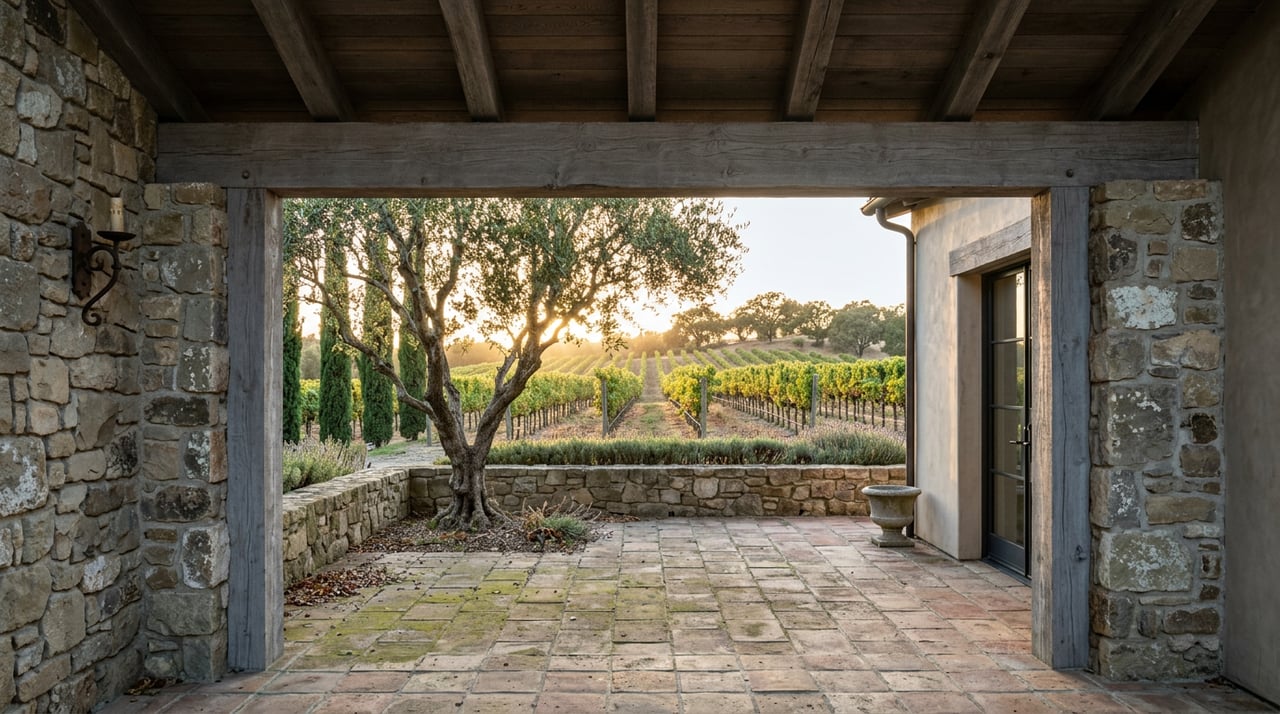
That regional context matters because Savoy is not just any vineyard site. It sits near the northern end of Highway 128 between Gowan Creek and the Navarro River, and published vineyard descriptions note a cool-climate setting shaped by high winds, valley-floor conditions, and a reputation for strong site expression.
For a buyer, that means the appeal is easy to understand. The harder question is whether each block still performs in a way that supports the site’s reputation, your wine goals, and your underwriting assumptions.
Start With Block-Level Site Review
A vineyard can have a strong overall identity and still show major variation from one block to the next. That is especially true in Anderson Valley, where cooler and warmer pockets can exist within the same broader area.
Savoy’s position at the toe of the slope is often seen as an asset, but you still need to verify exposure, wind pattern, and air drainage at the block level. In practical terms, that means looking closely for frost pockets, uneven ripening conditions, and areas where wind exposure could affect vine balance or fruit set.
This is where a broad brochure description stops being enough. A serious review should compare each block’s slope, aspect, and drainage behavior rather than relying on a single narrative for the whole property.
Why Exposure and Air Drainage Matter
In a cool-climate Pinot Noir vineyard, small differences in exposure can have an outsized effect. One block may hold acidity and ripen slowly, while another may move through the season more evenly because of warmth retention or better air movement.
Published descriptions of Savoy note that its setting on the northeastern side of Anderson Valley is protected on two sides, which can trap more warmth than neighboring sites. That can be valuable, but it is still something you should confirm through field review and production history rather than assume uniformly across the entire vineyard.
Verify Soils, Not Just Acreage
One of the most important diligence priorities at Savoy is soil variability. Vineyard materials describe the site as a patchwork that includes Pinole and Boont loams over Franciscan shale, with additional references to Bear Wolf Wallow Loam, Perrygulch, and Bootling Loam.
That mix matters because those soils do not behave the same way. USDA-NRCS descriptions indicate that Pinole soils are well drained and used for vineyards, while Boontling soils are somewhat poorly drained and may sit on a winter water table at 30 to 40 inches. Perrygulch soils are described as very poorly drained river-terrace soils.
For a buyer, the takeaway is simple: do not underwrite this kind of vineyard as if all acres are equal. Drainage, vigor, access during the wet season, and future replant suitability can shift sharply from block to block.
Soil Questions Worth Answering Early
Before you get deep into pricing or planning, confirm:
- The soil series for each planted block
- The drainage class for each block
- Whether any areas show seasonal wetness or restricted winter access
- How soil conditions align with current vine performance
- Whether weaker areas are operational issues or true site limits
That level of review helps you distinguish a manageable farming issue from a structural land issue.
Review Clones, Rootstocks, and Vine Age
Savoy’s identity is tied in part to its vine material. Published sources identify a broad mix of Pinot Noir selections, including Dijon 114, 115, 667, and 777, along with Calera and Pommard. Other reported plant material includes Swan, Mt. Eden, Martini, 2A, Prosser, and Wente, plus a small Chardonnay component.
That diversity can be a strength, especially for a buyer seeking complexity and blending options. But it also means your diligence should go beyond a simple planting date summary.
Littorai has said its blocks at Savoy were planted from 1991 to 1993 and averaged 2.53 tons per acre over ten years. For underwriting, that makes vine age, clonal map accuracy, and replant history essential to verify.
Rootstock Fit Is a Core Diligence Item
Rootstock review deserves the same attention as clone review. UC guidance notes that rootstocks can differ meaningfully in phylloxera resistance, nematode resistance, drought tolerance, wet-soil tolerance, salinity tolerance, and lime tolerance.
UC IPM guidance also states that resistant rootstocks without V. vinifera parentage are the durable solution in phylloxera-prone sites. Nematode pressure can also be influenced by soil conditions at planting, irrigation water, nursery stock cleanliness, cover crops, and rootstock susceptibility.
In practical terms, you should confirm:
- Current rootstock maps by block
- Any known phylloxera history
- Any known nematode pressure
- Which blocks have been replanted
- Whether replanted areas were matched to local soil and moisture conditions
For an older vineyard, this is not a side issue. It goes directly to capital planning and future production consistency.
Water and Permitting Need Full Documentation
Water due diligence in Mendocino County starts with records, permits, and use history. County resources state that Environmental Health, together with Planning and Building and the California Coastal Commission, issues permits for construction of new wells in unincorporated Mendocino County and maintains well-related resources, including ordinance materials and completion report requests.
That means buyers should not stop at asking whether a well exists. You should verify the well file, completion data, permit status, and any practical limits tied to infrastructure or use.
If the property relies in any way on surface water within the Navarro watershed, documentation becomes even more important. A Mendocino County example involving a project in the watershed shows how irrigation, heat control, frost protection, recreation, and fish and wildlife enhancement can all intersect with water-right documentation.
Water Questions to Confirm
A careful buyer should confirm:
- All well permits and available completion records
- Current and historic irrigation water sources
- Any surface-water diversion rights or related claims
- Diversion points and place-of-use details, if applicable
- Actual use history tied to the vineyard operation
Water should be treated as both an operational issue and a legal one. In a premium vineyard acquisition, that distinction matters.
Compliance Now Belongs in Underwriting
Regulatory review is no longer something to save for after closing. In June 2025, the North Coast Regional Water Quality Control Board approved General Waste Discharge Requirements for commercial vineyards across the North Coast.
According to the board, the order covers about 65,000 acres and requires on-farm practices to prevent or control sediment, nutrients, and pesticide discharges to surface water and groundwater, with enrollment beginning in July 2028. For buyers, that moves compliance planning into the acquisition phase.
You should understand not only whether the vineyard is operating today, but also what it may require tomorrow in terms of erosion control, runoff management, reporting, and implementation cost. That is part of present value, not a future footnote.
Match the Site to Your Wine Program
A vineyard can be famous and still be the wrong fit for your intended label or portfolio. Savoy’s published site and vintage descriptions point toward a cool-climate profile shaped by marine influence, preserved acidity, and moderate alcohol levels.
Read conservatively, that suggests the site is especially well suited to Pinot Noir programs that prioritize balance, perfume, and site transparency over a warmer-climate ripeness profile. Chardonnay may also fit in the right blocks.
That does not guarantee the vineyard fits your program. It means your diligence should compare the site’s ripening window, fruit style, and production pattern against your intended use rather than relying on reputation alone.
Questions About Program Fit
Before proceeding, ask:
- Does the ripening pattern align with your stylistic goals?
- Do the yields support your economic model?
- Are the existing clones useful for your intended bottlings?
- Will any blocks require reworking to fit your long-term vision?
- Does the site support estate goals, grape supply goals, or both?
Those answers often shape value as much as the land itself.
A Practical Buyer Checklist
If you are assessing an Anderson Valley Pinot vineyard with a Savoy-like profile, keep your review focused on the essentials:
- Map each block by soil series, slope, exposure, and drainage
- Verify rootstock, clone, vine age, and replant history
- Confirm water source, wells, diversion rights, and permitting status
- Review erosion-control measures and compliance pathway
- Compare the site’s ripening profile with your Pinot Noir or Chardonnay program
In a market where provenance can command attention, disciplined diligence is what protects value. The strongest acquisitions are the ones where the vineyard’s story and its verified agronomic facts still match.
If you are evaluating vineyard land in Wine Country and want a measured, technically informed perspective, Jeff & Casey Bounsall bring deep experience in land research, vineyard property advisory, and high-value rural acquisitions.
FAQs
What are the top due diligence priorities for an Anderson Valley Pinot vineyard?
- Focus first on block-level soils, drainage, exposure, vine age, clone and rootstock mix, water documentation, and current compliance requirements.
Why do soils matter so much at the Savoy Pinot Noir vineyard site?
- Published sources describe Savoy as having multiple soil types, and those different soils can affect drainage, vigor, wet-season access, and replant suitability across the property.
What should a buyer verify about vine material at Savoy?
- A buyer should confirm which clones and rootstocks are planted in each block, when vines were planted, and whether any sections have been replanted or show pest-related pressure.
What water records matter for a Mendocino County vineyard purchase?
- Buyers should review well permits, completion records, irrigation sources, any applicable surface-water diversion rights, and the vineyard’s actual history of water use.
Why is vineyard compliance now part of underwriting in the North Coast?
- The North Coast Regional Water Quality Control Board approved new waste discharge requirements for commercial vineyards, so buyers should account for future compliance obligations as part of acquisition planning.
How can you tell if a vineyard fits your wine program?
- Compare the site’s ripening profile, acidity retention, yield history, and clonal mix against the style and production goals you want the property to support.