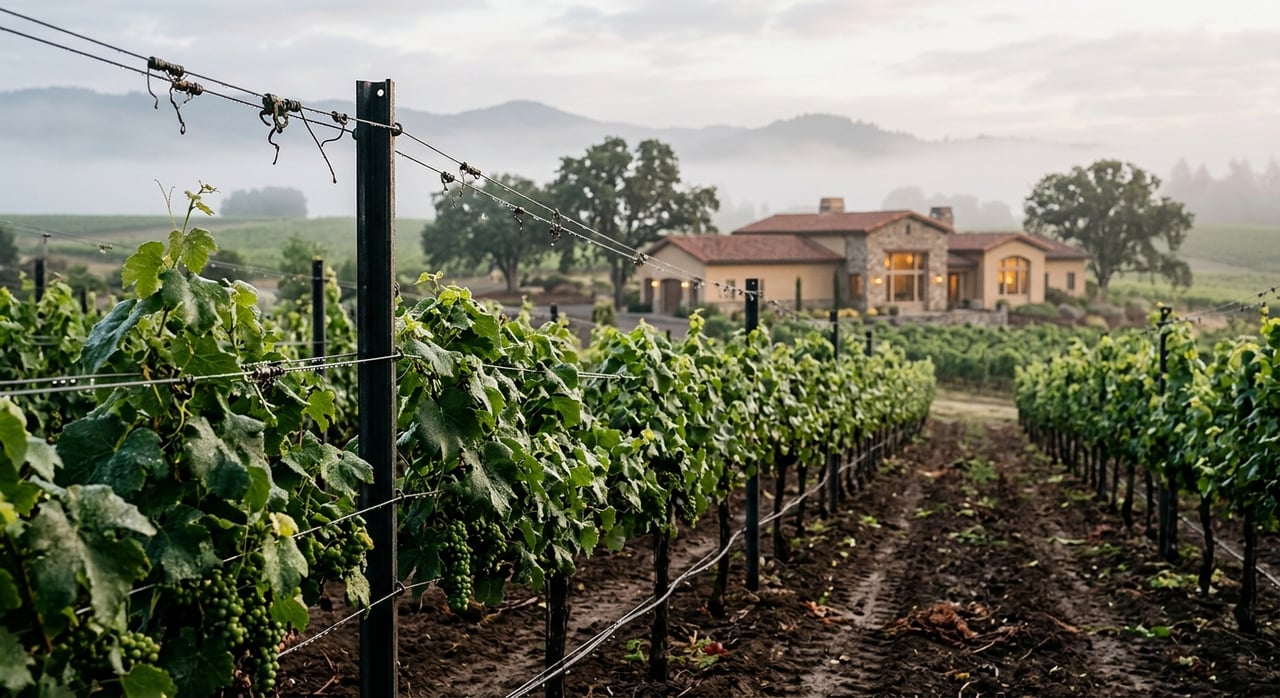
A vineyard sale in Green Valley is never just about rows of vines. If you follow Sonoma County land closely, you already know that certain transactions say more about long-term confidence, site quality, and brand strategy than a headline ever could. This sale is one of those signals, and it offers a useful lens for understanding what buyers are really paying for in Green Valley. Let’s dive in.
Why Green Valley carries weight
Green Valley of Russian River Valley AVA is one of Sonoma County’s most defined cool-climate vineyard areas. The AVA was established in 1983, and the name was later updated to Green Valley of Russian River Valley to distinguish it from Solano County’s Green Valley, without changing the boundary.
That distinction matters because Green Valley is not just a casual local nickname. It is a federally recognized AVA with formal borders, and within Russian River Valley, that gives the name unusual clarity and branding power. When a buyer acquires land here, they are also acquiring a place identity that means something in the market.
Sonoma County Tourism describes Green Valley as a 19,000-acre region with about 3,600 acres planted to grapes. It sits in the western portion of Russian River Valley around Sebastopol, Forestville, Occidental, and Graton. For buyers, that relatively limited planted footprint adds to the sense of scarcity.
Why Pinot Noir fits Green Valley
Green Valley has a reputation for being cool, foggy, and well drained. In plain terms, that means grapes can ripen slowly while holding onto freshness, which is one reason Pinot Noir performs so well here.
Local winegrowing sources describe the area as having narrow temperature swings and relatively cool daytime conditions between veraison and harvest. That climate profile helps support crisp aromatics, red-fruit character, strong acidity, and structure in the finished wine. For Pinot Noir, those are not small details. They are often the difference between ordinary fruit and site-specific fruit with identity.
Soils are a major part of the story too. Goldridge fine sandy loam is a defining feature in Green Valley, and local sources say it covers about 60% of the AVA. USDA descriptions note that Goldridge soils are friable, acidic, and well suited to deep rooting, which helps explain why certain vineyard blocks here are so consistently prized.
Still, Green Valley is not one uniform growing environment. The west side tends to see earlier fog burn-off and drier soils, while lower eastern areas can stay cooler and face more frost pressure. That means buyers are not simply purchasing acreage in a famous name. They are evaluating a very specific site within that name.
What the Castello purchase tells us
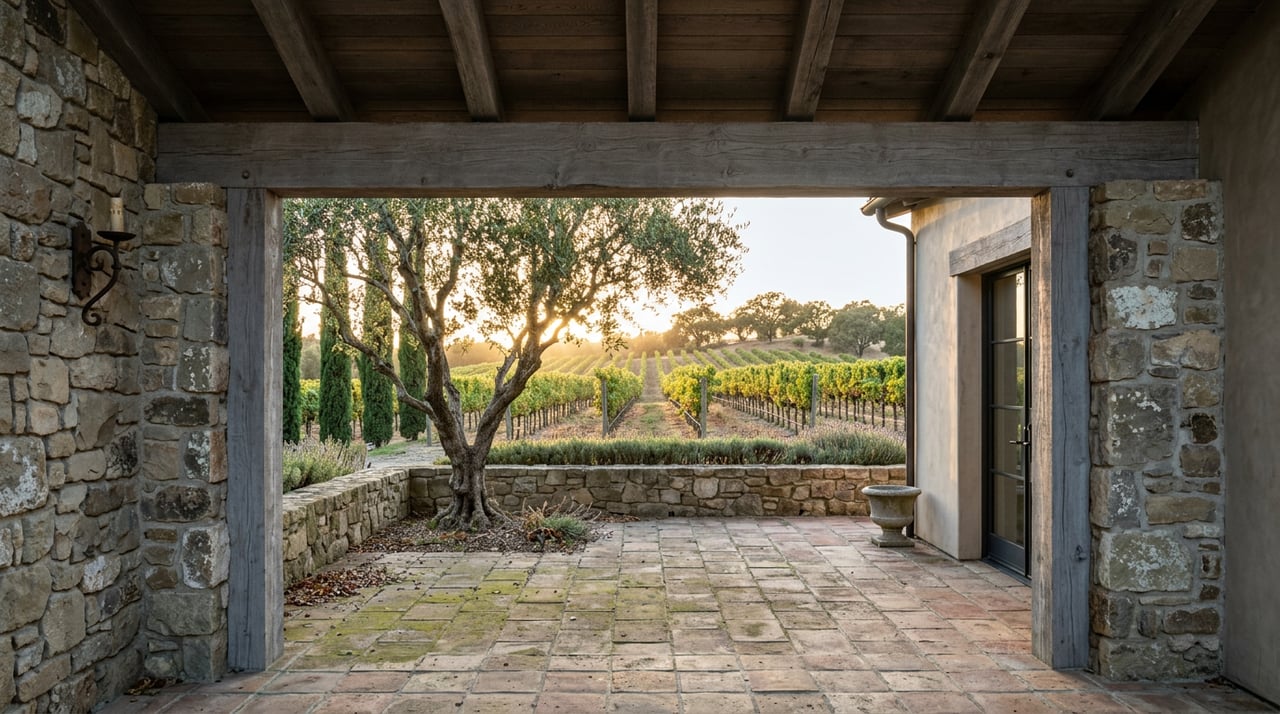
The reference sale here is Castello di Amorosa’s purchase of a 12-acre Pinot Noir vineyard on Pillow Road in Green Valley, reported in October 2015. The site was later renamed Cresta d’Oro and is planted to Pinot Noir clones 115, 777, and Pommard 4 on Gold Ridge sandy loam, about 15 miles from the coast.
That combination tells you a lot. This was not a broad land-bank play or a speculative rural acquisition. It was a focused purchase of an established Pinot Noir site in a recognized AVA with the characteristics needed to support premium estate fruit.
For a winery buyer, that can mean three things at once:
- Greater control over fruit supply
- Stronger estate and single-vineyard branding
- A direct tie between land ownership and finished wine identity
In other words, the buyer was not just purchasing dirt and vines. They were securing a production asset, a story, and a long-term position in one of Sonoma County’s most terroir-driven Pinot regions.
Why winery buyers focus on sites like this
Market commentary from Sonoma State’s Wine Business Institute points to established wineries and winery groups as some of the most common buyers in the North Coast vineyard market. Their goal is often straightforward: secure fruit supply, strengthen portfolio gaps, or add a site that supports higher-end bottlings.
That logic fits the Green Valley sale well. In a premium appellation, a carefully chosen vineyard can do more than feed a crush pad. It can anchor a label, support estate messaging, and reduce reliance on outside grape contracts.
Institutional investors and private equity groups also remain active, though with tighter criteria than in earlier market cycles. That matters because it suggests buyers are being more selective, not less interested. In a selective market, better sites tend to stand out even more clearly.
Private estate buyers are still part of the picture, but their motivations differ. A Green Valley property with vineyard plantings, privacy, and room for future improvements may attract a lifestyle-oriented buyer, yet the strongest demand often centers on land that also makes operational sense as an agricultural asset.
Why premium Green Valley sites can still command attention
The broader North Coast vineyard market has softened from prior highs. Recent market reporting says commercial vineyard values in many regions have fallen roughly 10% to 35% from peak levels, with some analyses showing declines of 10% to 50% across much of the North Coast.
That does not mean every vineyard is treated the same. The same reporting indicates that prime Sonoma locations have generally held up better than secondary or outlying areas. For Green Valley, that is an important distinction.
This is where many readers miss the nuance. Softer market conditions do not erase premium pricing for the best vineyard land. They tend to widen the gap between top-tier, terroir-driven sites and properties with weaker farming fundamentals, less recognized positioning, or less strategic utility.
Wine Business Institute commentary supports that point, noting that Sonoma County values were relatively stable in the earlier part of the downturn, with some high-value transactions concentrated in premium Pinot Noir vineyards within Russian River Valley. Green Valley sits squarely in that conversation.
What buyers are really paying for
When a notable Pinot Noir parcel sells in Green Valley, the price is usually tied to more than just size. Buyers are often underwriting a bundle of advantages that work together.
Those advantages can include:
- A recognized AVA with formal boundaries
- Cool-climate conditions that suit Pinot Noir
- Goldridge soil and strong drainage characteristics
- Established vines and reduced time to production
- Estate-fruit control for winery operations
- Marketing value tied to appellation and site identity
There is also a hard-cost reality behind established vineyards. UC ANR teaching material says vineyard installation can run about $40,000 to $90,000 per acre. The same material cites Sonoma County Pinot Noir grapes at roughly $3,500 per ton.
That makes an existing, productive Pinot vineyard very different from raw land. A buyer may be stepping into a capital-intensive farming system that already has plant material, trellis, irrigation, site history, and a path to cash flow in place. That can support premium pricing when the site quality is there.
Why the AVA name matters economically
Academic research on California vineyard sales has found that both site attributes and appellations influence prices, with appellations showing the stronger and more consistent effect. For Green Valley, that reinforces what local market participants already understand.
The AVA name itself carries measurable value. It tells buyers, vintners, and the market that the property sits within a recognized place with known growing conditions and established reputation. In a category like Pinot Noir, where site expression can define the finished product, that naming power matters.
This is one reason a flagship sale can have outsized meaning. It is not simply a transfer of ownership. It is a public signal that a buyer sees enough long-term value in the combination of terroir, reputation, and production utility to commit capital to that specific site.
How to interpret a sale like this today
If you are watching Green Valley as an owner, buyer, or investor, the clearest takeaway is this: top sites still matter, and they may matter even more in a selective market. A recognized AVA alone is not enough. Buyers are looking closely at location within the AVA, farming quality, soil, exposure, fog pattern, and operational fit.
The Castello purchase remains a useful case study because it shows the classic logic of a strategic winery acquisition. The value was in the site’s ability to deliver estate fruit, strengthen brand positioning, and support premium Pinot Noir from a highly specific part of Sonoma County.
For sellers, that means presentation and positioning matter. A vineyard in Green Valley is best understood through its site story, appellation context, farming profile, and strategic use case, not just its acreage count.
For buyers, it is a reminder to look past the headline. In Green Valley, the strongest opportunities are often the ones where climate, soil, reputation, and long-term utility line up in a way that is hard to replicate.
In a market where quality is separating itself more sharply from the pack, that kind of alignment is exactly what makes a flagship Pinot sale worth paying attention to.
If you are evaluating vineyard property in Sonoma County, Jeff & Casey Bounsall bring a land-first perspective grounded in parcel research, vineyard expertise, and high-touch advisory support for complex Wine Country assets.
FAQs
What makes Green Valley important for Pinot Noir vineyard buyers?
- Green Valley is a formally recognized AVA within Russian River Valley known for cool, foggy conditions, Goldridge soils, and strong Pinot Noir growing potential.
What did the Castello di Amorosa Green Valley purchase include?
- The reported transaction involved a 12-acre Pinot Noir vineyard on Pillow Road in Green Valley, later renamed Cresta d’Oro.
Why can Green Valley vineyard land still sell at a premium?
- Premium sites may retain stronger value because buyers are paying for site quality, appellation recognition, established production, and strategic fruit control.
What are buyers usually purchasing in a Green Valley vineyard deal?
- In many cases, buyers are acquiring more than acreage, including established vines, estate-fruit supply, brand positioning, and a vineyard site with distinct identity.
How should you evaluate a Green Valley vineyard opportunity?
- You should look at the exact site within the AVA, including soil, drainage, fog exposure, farming quality, and how the property fits your long-term goals.