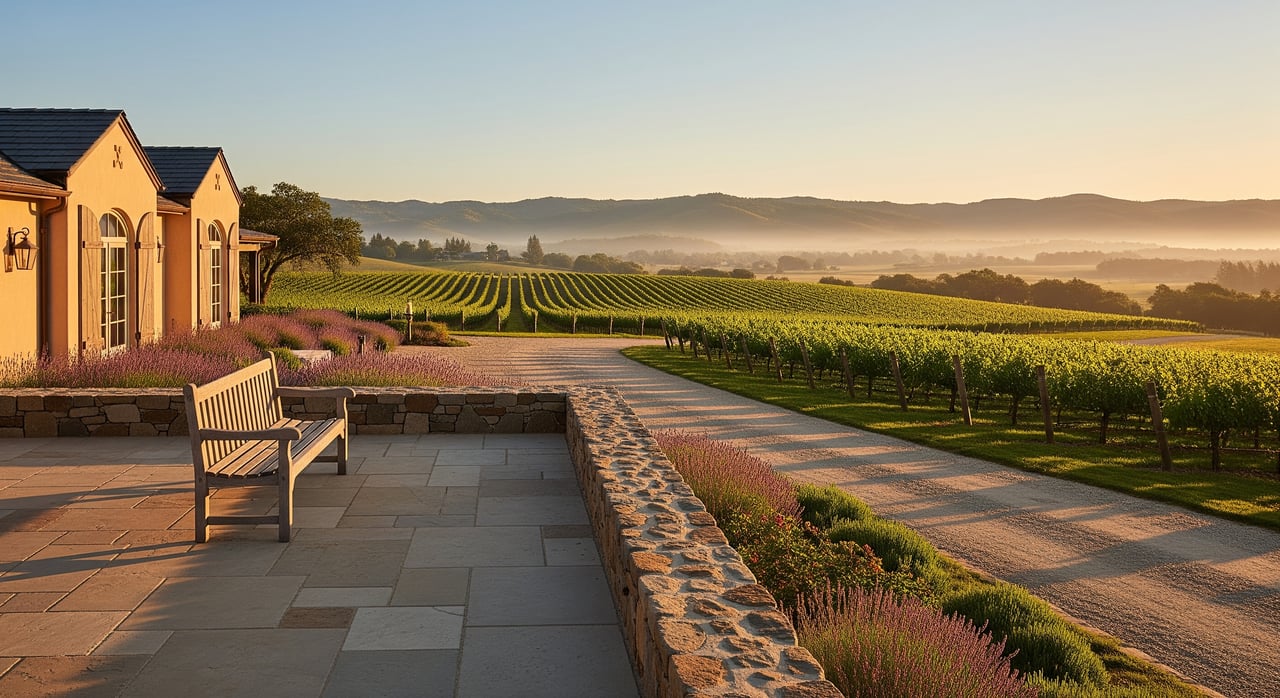
Thinking about a Napa Valley estate near Yountville and wondering what you can actually build or plant? The Agricultural Preserve shapes most of what is possible, from home size to vineyard expansion to winery events. If you understand the basics before you write an offer, you will avoid costly surprises and set a realistic plan for your property. In this guide, you will learn how the preserve works, what it means for your rights, and the due diligence steps that smart buyers take. Let’s dive in.
Napa Agricultural Preserve essentials
The Napa County agricultural‑preservation framework is designed to keep land in farming, viticulture, and open space. For you, that means many parcels in and around Yountville are governed by land‑use rules that limit subdivision and non‑agricultural development, and require permits for new buildings and site changes.
This framework is implemented through several layers. County General Plan and Zoning Ordinance rules set the baseline. Voter‑adopted preserve boundaries and policies add durability. Conservation easements, often held by land trusts or agencies, can permanently limit development. State programs, such as Williamson Act contracts, add another layer for enrolled parcels. These layers work together to shape what is allowed, what needs a permit, and how changes are reviewed.
If you are assessing a property, expect to engage with Napa County Planning for zoning and permits, Environmental Health for wells and septic, the Assessor for parcel and tax status, and state agencies for resources like fire hazard maps and stream or wetlands protections. Local land trusts can be a source for any conservation easements on title.
How the preserve shapes your property rights
Zoning and permitted uses
Agricultural and watershed zoning around Yountville prioritizes farming and open space. Typical allowed activities include viticulture, other crops, grazing, and accessory agricultural structures. A limited number of residences may be allowed, subject to standards. Non‑agricultural uses, such as commercial or hospitality, usually require discretionary permits.
Exact rules vary by designation. Confirm your parcel’s zoning, permitted uses, minimum lot size, and allowable number and size of dwellings with county staff and current zoning maps before you plan improvements.
Subdivision and parcel size
The preserve generally limits subdivision to protect viable agricultural land. Minimum parcel sizes and eligibility for lot splits vary by designation. Many agricultural zones make small‑lot splits infeasible. If you are considering a division, obtain the zoning designation, study minimum lot size rules, and ask about any exceptions or credits that may apply.
Residences and ADUs
Single‑family residences are commonly allowed in agricultural zones, but number, size, and siting are controlled. State laws have expanded rights for accessory dwelling units, yet practical ADU development still depends on site conditions. Septic capacity, well supply, setbacks, slopes, and fire protection can be limiting. Verify what is feasible for your parcel before you rely on an ADU for family, staff, or guests.
Wineries, on‑site processing, and agritourism
Wine production is central to Napa County, but it is also heavily permitted. Processing, sales, tasting rooms, and events usually require a use permit, environmental review, and a public hearing, along with conditions like limits on visitor counts and events, wastewater handling, and traffic mitigation. The existence or absence of a valid winery permit can materially affect value if you intend to operate or expand winery activities.
Conservation easements and deed restrictions
Many properties carry recorded conservation easements or deed restrictions that permanently limit development or require agricultural use. These run with the land and survive a sale. Confirm whether any easements are recorded, read the terms, and understand any allowed exceptions before you commit to plans for new structures or future subdivision.
Williamson Act and agricultural tax classification
Some parcels are enrolled in the Williamson Act or have agricultural or open‑space property‑tax classifications. These programs can lower taxes in exchange for keeping the land in qualifying uses for set periods. Enrollment is parcel‑specific, and changing use can trigger consequences or cancellation fees. Verify the parcel’s status with the Assessor and understand the obligations before you rely on a reduced tax assumption.
Water, wells, and septic systems
Rural estates near Yountville often rely on private wells and on‑site wastewater systems. Napa County Environmental Health enforces well and septic standards for capacity, setbacks, and replacement. Vineyard development or added bedrooms can trigger upgrades. Groundwater availability, the permitted status of existing wells, and any surface‑water rights should be independently verified with logs, tests, and documentation.
Environmental constraints and natural resources
Protections for riparian corridors, wetlands, oak woodlands, steep slopes, and sensitive species can limit where you place homes, vineyards, roads, and other improvements. Stream setbacks and permits, such as lake or stream alteration agreements, are common. Plan on biological and resource reviews early if your parcel includes creeks, drainages, or significant woodland areas.
Fire risk and infrastructure
The hills around Yountville sit in fire‑prone areas. Wildland‑urban interface standards, defensible space, road access, and fire‑safe construction are critical for safety and insurance. Carrier options and premiums can be affected by location and vegetation. Consider fire department access and response time as part of your feasibility planning for new construction or major remodels.
Road access, maintenance, and utilities
Private roads and shared driveways are common. Maintenance obligations can be significant and are sometimes governed by recorded agreements. Utility service for electricity, internet, and gas may be limited or require costly extensions. Confirm easements, service availability, and the cost to extend or upgrade utilities as part of your evaluation.
A due diligence roadmap for Yountville estates
Approach your diligence in stages so you do not lose time or overlook key constraints.
Stage 1: Quick feasibility checks
- Title and deed instruments
- Order a full title report. Review recorded conservation easements, deed restrictions, covenants, access easements, road maintenance agreements, and any notices of Williamson Act or similar contracts.
- Zoning and entitlements
- Confirm zoning designation, allowable uses, minimum parcel size, and the number of authorized dwellings. Ask county planning about active permits, violations, or pending applications tied to the parcel.
- Permit history
- Request copies of building, grading, septic, well, and any winery or use permits. Review conditions of approval and prior environmental assessments.
Stage 2: Site and environmental fundamentals
- Environmental constraints and site conditions
- Commission a biological resources review or CEQA checklist as needed. Map wetlands and riparian areas. Inventory oak woodlands if relevant. If any past commercial or industrial activity is suspected, order a Phase I environmental site assessment.
- Water and wastewater
- Obtain well logs and recent pump tests. Review water quality and quantity reports. Confirm water rights or surface‑water appropriations, if any. Verify septic system capacity and the permitted number of bedrooms or residences.
- Soil and agricultural suitability
- Pull soil maps and vineyard suitability data if you plan to plant. Assess erosion potential and whether erosion control or drainage plans will be required for vineyard development or grading.
Stage 3: Access, utilities, and safety
- Utilities and access
- Verify PG&E or other utility locations and easements. Review private road ownership and maintenance obligations. Evaluate winter access and whether road upgrades will be required for fire or building approvals.
- Wildfire and emergency access
- Check fire hazard severity designations. Confirm defensible‑space compliance. Consult the local fire district about response times, driveway standards, and any site‑specific requirements.
- Local programs and incentives
- Confirm whether the parcel is enrolled in the Williamson Act, a Farmland Security Zone, or similar programs. Understand benefits, restrictions, and any cancellation clauses or recapture obligations.
Stage 4: Engage specialists
- Professional advisors
- Engage a local land‑use attorney, licensed surveyor, civil engineer for grading and drainage, a hydrologist or well specialist, environmental consultant, arborist for oak woodland issues, and a winery or permitting consultant if you plan wine operations. Include a realtor with Ag Preserve experience to coordinate the team.
Timelines to expect
Preliminary diligence such as title pulls, county zoning checks, and basic site inspections often takes 2 to 6 weeks. Technical studies like well tests, soils work, and biological surveys typically require 4 to 12 weeks depending on season and scope. Larger changes, including winery permits, major grading, or subdivision, can take months to years and may involve public hearings and environmental review. Build these durations into your offer timeline and contingencies.
Budget and financing realities
Property taxes and agricultural assessment
Agricultural assessments and Williamson Act enrollment can reduce taxes. These benefits depend on active enrollment and ongoing compliance with program rules. Reassessment can occur with a change of ownership or use in certain situations. Verify the parcel’s status and model realistic tax scenarios before closing.
Conservation easements and long‑term value
Conservation easements may lower a property’s current sale price while preserving agricultural character and open space. Some owners receive tax benefits or compensation when easements are first established. Easements also limit future options for development and can shape your exit strategy. Read the recorded language closely and weigh value today against long‑term flexibility.
Insurance and mortgage financing
Lenders often apply stricter underwriting for rural and agricultural properties. Expect requests for well tests, septic certifications, and hazard mitigation. Wildfire exposure can raise premiums or limit carrier availability. Obtain insurance quotes and lender feedback early so you can adjust plans and contingencies.
Compliance and improvement costs
Permit‑driven mitigation can be significant. Traffic improvements, erosion control, wastewater upgrades, road work, and fire hardening require budget and time. Plan for consultant fees, permit submittals, and potential mitigation bonds. A realistic pro forma helps you compare properties and select the path with the best return on effort and capital.
Practical first calls and what to pull
Start with the seller’s package, then layer in official records and professional opinions.
- Ask the seller or listing agent for: current title report, the deed and any recorded easements, APN and zoning designation, recent well and septic permits, any use or winery permits, and all available inspections and reports.
- Contact Napa County Planning to confirm zoning, allowable uses, pending applications, and county‑held easements or agreements.
- Consult Napa County Environmental Health for septic and well standards and to confirm the permitted status of existing systems.
- Check fire hazard severity maps and discuss site‑specific fire requirements with the local fire district.
- If a conservation easement may exist, reach out to local land trusts for recorded documents.
Strategy tips for Yountville estate buyers
- Front‑load entitlement risk. Prioritize zoning, easements, well supply, septic capacity, and access. These are the most common blockers.
- Do a winery reality check. If your vision includes production, tasting, or events, review the permit history and talk through a permit pathway with a winery consultant before you assume expansion potential.
- Respect seasonality. Certain studies, such as biological surveys and well testing, can be season dependent. Build calendar time into your plan.
- Consider a county pre‑application meeting. A formal meeting can align expectations and surface constraints early, which helps with offer terms and timelines.
- Keep options open. If you value flexibility, seek parcels without conservation easements and with clean, documented entitlements. If you value legacy and open space, a well‑crafted easement can fit your long‑term goals.
When you approach the Napa Agricultural Preserve with a clear plan and the right team, an estate near Yountville can deliver privacy, agricultural character, and enduring value. If you want experienced guidance through parcel research, entitlement strategy, and a disciplined acquisition process, connect with Jeff & Casey Bounsall.
FAQs
Can I subdivide a Napa estate in the preserve?
- Subdivision is often limited and tied to strict minimum parcel sizes and agricultural viability tests, so confirm parcel‑specific rules with Napa County before assuming a split is possible.
Can I plant new vineyards or start a winery near Yountville?
- Planting vines is frequently allowed but may require grading and erosion‑control permits, while winery operations and visitor events usually need discretionary permits with conditions.
Will a conservation easement stop my building plans?
- Possibly, since easement terms vary and many restrict subdivision and structures, so you should review the recorded language and any exceptions before planning improvements.
Does the Agricultural Preserve lower property taxes?
- It can if the parcel is enrolled in programs such as the Williamson Act or has agricultural classifications, but benefits depend on enrollment and compliance that must be verified.
How big an issue is wildfire for Yountville‑area estates?
- Wildfire risk is significant in the region, so plan for defensible space, fire‑safe construction, and early insurance quotes, which can affect feasibility and costs.