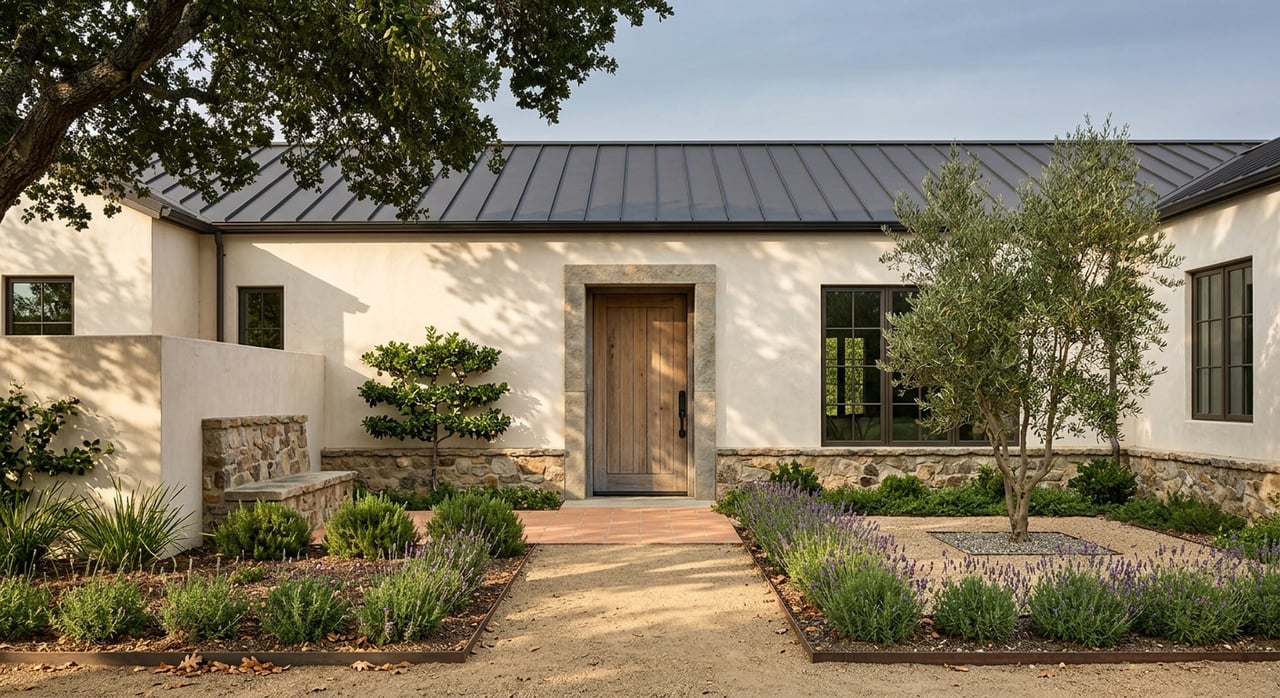
If you are searching for a Napa city estate, the first mistake is treating Napa as one market. Serious buyers usually do better when they read the city as a set of distinct micro-markets, each with its own mix of views, access, lot utility, and long-term constraints. This guide will help you sort Napa’s estate-style neighborhoods by how they actually function, so you can focus on fit, risk, and hold potential with more confidence. Let’s dive in.
Read Napa as micro-markets
The City of Napa has 26 neighborhoods, and its Napa 2040 General Plan shapes long-range development through 2040. That matters because scarcity in Napa is often tied to location type, not just house size. A home on a hillside, along the river, at the city edge, or in the historic core can offer a very different ownership experience.
For many serious buyers, the real question is not, “How big is the house?” It is, “What kind of setting am I buying into?” In Napa, outlook, access, privacy, and operating fit often drive value more than raw square footage.
Focus on the estate-style patterns
Napa City does have neighborhoods that feel more estate-like, even within an in-town setting. These tend to share one or more of the following traits:
- Edge-of-city placement
- Elevated or hillside orientation
- Vineyard adjacency
- River frontage or water orientation
- Gated or more private residential character
That combination can create scarcity that is hard to replace. In practice, the setting often carries as much weight as the structure itself.
East-side neighborhoods to watch
Alta Heights offers in-city views
Alta Heights is one of Napa’s clearest view neighborhoods. The city notes that many homes sit above the valley floor, with varied architecture and sweeping views.
If you want an in-town location that still feels elevated and visually distinctive, Alta Heights deserves close attention. For many buyers, it delivers one of the strongest combinations of proximity and outlook within city limits.
Terrace favors east-valley access
Terrace sits on the east-side edge of the city near Silverado Trail, Coombsville Road, Tulocay Creek, and the city limit line. That placement makes it especially useful if you want fast access toward the east-valley corridor.
This is a neighborhood to consider when convenience to Silverado Trail and Coombsville matters as much as the home itself. It reads more like a strategic base than a classic historic-core address.
Springwood Estates feels estate-like in town
Springwood Estates anchors Napa’s north and east city boundary. The city says many residences on the northern and eastern edges back to vineyards and have sweeping valley-floor views.
That combination can create an estate feel while still remaining within the city. If you want a property that feels visually connected to Wine Country landscapes without moving fully outside town, this is an important neighborhood to study.
Vineyard Estates blends edge and outlook
Vineyard Estates is bounded by the city limit line, Highway 29, and Trower Avenue. The city describes hill and vineyard views here, and notes the presence of Alston Park and the Las Flores Community Center.
For buyers, this neighborhood can be a useful middle ground. You may get edge-of-city visual appeal without needing a full compound-style setting.
Stonehouse centers on the river
Stonehouse is bordered by Trancas Street, the Napa River, Lincoln Avenue, and Soscol Avenue. The city emphasizes the neighborhood’s relationship to the river, and the Napa River Trail forms its eastern border.
If river orientation matters to you, Stonehouse should be part of the conversation. Its appeal often comes from water adjacency and setting rather than the traditional hillside-view premium.
Riverpark is the waterfront comparison
Riverpark is Napa’s south-side waterfront benchmark. The city says a large portion of the neighborhood is the gated Napa Yacht Club, and many homes are oriented toward the river with views or direct water access.
For buyers comparing water-oriented options, Riverpark stands apart. It offers a different type of scarcity than hillside or vineyard-edge neighborhoods.
West-side and practical-access choices
Browns Valley West adds hillside views
Browns Valley West is primarily hillside and sits against the city limit lines. The city notes that many homes enjoy sweeping valley views.
This is a strong option if you want view value on the west side. It tends to appeal to buyers looking for a more scenic residential feel without moving away from city convenience.
Browns Valley South feels open and functional
Browns Valley South was formerly orchard and farmland. The city describes views of rolling hills, pastureland, and vineyards.
For serious buyers, this neighborhood often reads as practical and comfortable, with visual openness as part of the appeal. It may suit you if you want a more relaxed neighborhood pattern rather than a highly formal estate setting.
Westwood prioritizes access and setting
Westwood sits between Highway 29, First Street, Old Sonoma Road, and the western city limit line. It includes Westwood Hills Park, and many homes were built in the 1950s.
Westwood is typically more about access, parks, and a hill setting than about trophy lots. If your priority is efficient movement plus an established residential environment, it can be a smart fit.
Bel Aire is one of the clearest access plays
Bel Aire is one of Napa’s strongest neighborhoods for movement and convenience. The city describes quiet, tree-lined, wide residential streets, active commercial centers, and easy access to the highway and up-valley locations.
If you expect to move often between Napa and the broader valley, Bel Aire deserves a look. It is especially useful when operational convenience ranks above view-premium scarcity.
Central Napa works as an in-town base
Central Napa sits between Highway 29, Lincoln Avenue, Soscol Avenue, and Downtown. The city highlights its key arteries into downtown and the presence of Napa Creek.
This neighborhood makes sense for buyers who want fast circulation more than a deep lot or a dramatic setting. It is often best understood as an operational base within the city.
Vintage offers edge views without full estate feel
Vintage sits along the city edge, and the city notes views of the eastern mountains and surrounding vineyards. That makes it useful as a comparison point for buyers who want some visual premium.
In many cases, Vintage offers edge-of-city benefits without reading like a full estate compound area. That distinction matters when you are weighing price against setting.
Historic-core neighborhoods offer a different premium
Downtown Napa favors walkability
Downtown Napa is a mixed-use district near the river, Oxbow Public Market, the seasonal Farmers Market, the Napa Valley Opera House, and a dense dining and retail mix. The Downtown Specific Plan is built around a pedestrian-oriented city center.
If you want an urban Wine Country base, Downtown can be compelling. The premium here is not acreage, but direct access to the city’s visitor and lifestyle core.
Napa Abajo and Fuller Park reward authenticity
Napa Abajo is a mid-1800s residential district with period architecture, tree-lined streets, and National Register recognition. Fuller Park sits within the same broader historic framework and is shaped by design guidelines for infill and renovation.
These neighborhoods appeal to buyers who value authenticity and architectural history. The tradeoff is that changes to the property may require more care and sensitivity than in newer neighborhoods.
Match the neighborhood to your real movement pattern
A smart Napa purchase usually supports how you actually live and move. East-side neighborhoods line up more naturally with Silverado Trail, Third Street, East Avenue, and Coombsville Road, while Bel Aire, Westwood, Central Napa, and Downtown lean more toward Highway 29 and downtown access.
Jefferson Street is also an important residential-to-downtown connector, and the Napa Valley Vine Trail adds north-south regional connectivity. For many buyers, the right neighborhood is the one that shortens daily friction, not the one that looks best in a brochure.
Evaluate long-term hold factors early
Napa’s General Plan and neighborhood-conservation policies support compatible infill and preservation of existing character. That tends to reinforce scarcity in established view, riverfront, and historic neighborhoods.
The city is also investing in neighborhood infrastructure, including Browns Valley Road and First Street improvements, Westwood interior streets, and parks such as Alston Park and Westwood Hills. Those details matter when you are assessing long-term livability and hold potential.
Treat river and corridor risk seriously
River-adjacent properties need a more detailed review. The city’s flood-inundation mapping places much of the river corridor within a broad risk band from Trancas to Imola and from Coombs to Silverado Trail.
That does not mean river properties are poor choices. It does mean you should study elevation, drainage, and insurance more carefully than you might in a typical suburban neighborhood.
Traffic exposure is also worth reviewing. Napa’s Neighborhood Traffic Calming Program exists because some residential streets face speed and cut-through pressure, so the street hierarchy around a home should be part of your diligence.
Know what separates top-tier listings
The strongest Napa City listings often share the same core traits. When you compare options, it helps to look for these five signals:
- Protected outlooks such as hillside, vineyard, river, or park orientation
- Usable lot geometry with enough width and depth for outdoor living, parking, guest space, or a pool
- Operational convenience to Highway 29, Silverado Trail, or Downtown depending on your pattern of use
- Architectural authenticity or turnkey quality that fits the neighborhood context
- Clear diligence profile for flood, drainage, access, and traffic exposure
In a city like Napa, these fundamentals often matter more than a flashy finish package. A well-positioned property with durable strengths can outperform a larger home in a weaker setting.
A practical way to narrow your search
If you are serious about buying in Napa City, start by sorting neighborhoods into three buckets:
- View and edge neighborhoods like Alta Heights, Springwood Estates, Vineyard Estates, Browns Valley West, and Vintage
- River-oriented neighborhoods like Stonehouse and Riverpark
- Historic or urban-core neighborhoods like Downtown, Napa Abajo, Fuller Park, and Central Napa
Then pressure-test each option against your real priorities. Do you care most about views, access, walkability, privacy, lot utility, or ease of ownership over time?
That framework usually brings clarity faster than comparing homes one by one. It helps you read the city the way experienced buyers do.
If you want a measured, land-aware view of Napa City neighborhoods, working with an advisor who understands parcel fit, setting, and long-term property utility can make the search far more efficient. When you are ready to discuss estate property, vineyard adjacency, or a strategic Napa base, connect with Jeff & Casey Bounsall.
FAQs
What makes Napa City neighborhoods different for serious buyers?
- Napa City is best understood as a group of micro-markets, where value often depends on hillside placement, river orientation, historic character, city-edge location, and access patterns rather than just house size.
Which Napa neighborhoods offer the strongest view potential?
- Alta Heights, Springwood Estates, Vineyard Estates, Browns Valley West, and parts of Vintage are among the clearest neighborhoods for valley, hill, or vineyard-oriented views based on city descriptions.
Which Napa neighborhoods are best for river-oriented homes?
- Stonehouse and Riverpark are the main river-oriented comparison points in Napa City, with Riverpark standing out for gated waterfront character and homes with river views or water access.
Which Napa neighborhoods are best for highway or up-valley access?
- Bel Aire, Westwood, Central Napa, and Downtown are the main practical-access neighborhoods, while Terrace is especially useful for buyers who want stronger alignment with Silverado Trail and Coombsville Road.
What should buyers know about historic neighborhoods in Napa City?
- Napa Abajo and Fuller Park offer historic character and architectural authenticity, but buyers should expect more sensitivity around renovation, additions, and exterior changes because of historic design frameworks.
What due diligence matters most for Napa river-adjacent homes?
- Buyers should review flood-inundation exposure, elevation, drainage, and insurance carefully, especially for properties near the Napa River corridor.
How should a buyer compare Napa estate-style neighborhoods?
- A practical comparison should focus on protected outlooks, usable lot geometry, privacy, access to Highway 29 or Silverado Trail, architectural quality, and a clean diligence profile for flood, drainage, and traffic exposure.