If you have ever wondered why certain Napa Valley estates capture global attention while others feel interchangeable, St. Helena offers a clear answer. Buyers looking at this market are often drawn to something deeper than square footage or finish level alone. They want a property that feels rooted, private, and lasting. In St. Helena, that usually means a strong connection to land, town, and Wine Country identity. Let’s dive in.
Why St. Helena Stands Out
St. Helena holds a rare place in Napa Valley. City documents describe it as a rural agricultural center that has intentionally preserved a small-town atmosphere, while the broader visitor narrative around the town emphasizes a sophisticated, historic, and relaxed character. That combination gives St. Helena a different feel from a typical luxury market.
For many global buyers, that matters. They are not simply looking for a large home in a well-known destination. They are often looking for a place with lasting prestige, a sense of continuity, and a setting that feels difficult to replicate.
Napa Valley adds another layer to that appeal. The region was California’s first American Viticultural Area, includes 16 sub-AVAs, and operates under strict land-use and environmental rules. In practical terms, that supports the idea of scarcity, which is often central to long-term estate value.
Legacy Matters More Than Flash
In St. Helena, luxury tends to be read through legacy rather than spectacle. The town’s historic commercial district includes native stone commercial buildings and wood-framed structures dating from roughly 1870 to 1947. Landmark wineries such as Beringer and Charles Krug reinforce the sense that this is a place with deep roots.
That heritage shapes buyer expectations. A globally minded estate buyer is often drawn to homes and compounds that feel authentic to Wine Country, not overly generic or detached from their setting. The appeal is usually strongest when architecture, landscape, and agricultural use feel like part of one story.
You can see that pattern in local examples. Ehlers Estate, with its traditional Bordeaux château inspiration, 1886 stone winery, and historic olive grove, reflects the kind of provenance that resonates here. It suggests that buyers in this market often value architecture that feels regionally grounded and historically informed.
What Global Buyers Notice First
Architecture With A Sense Of Place
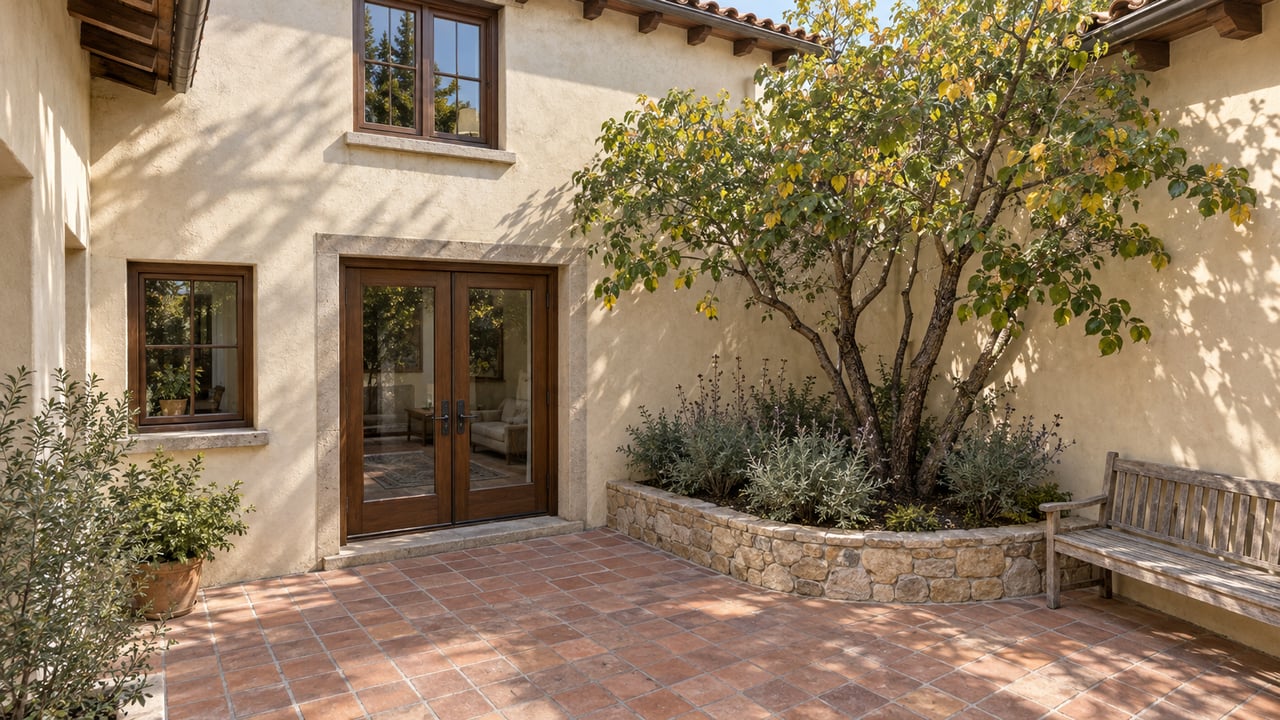
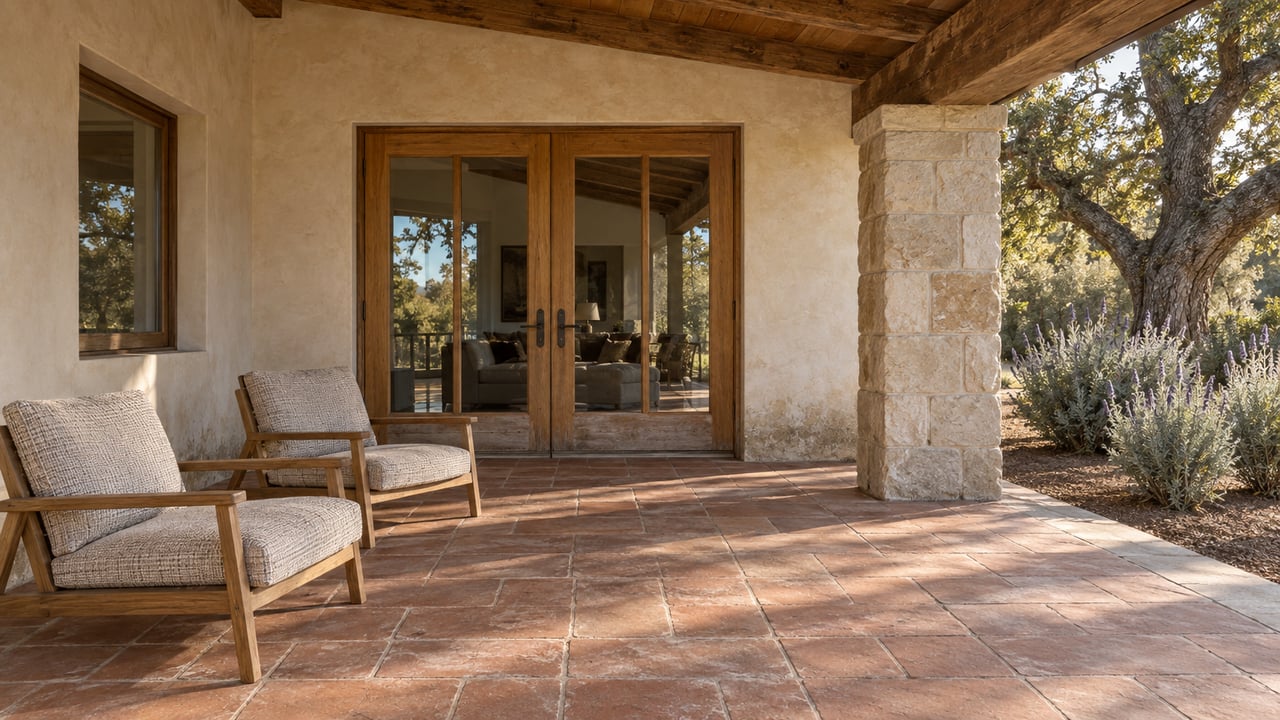
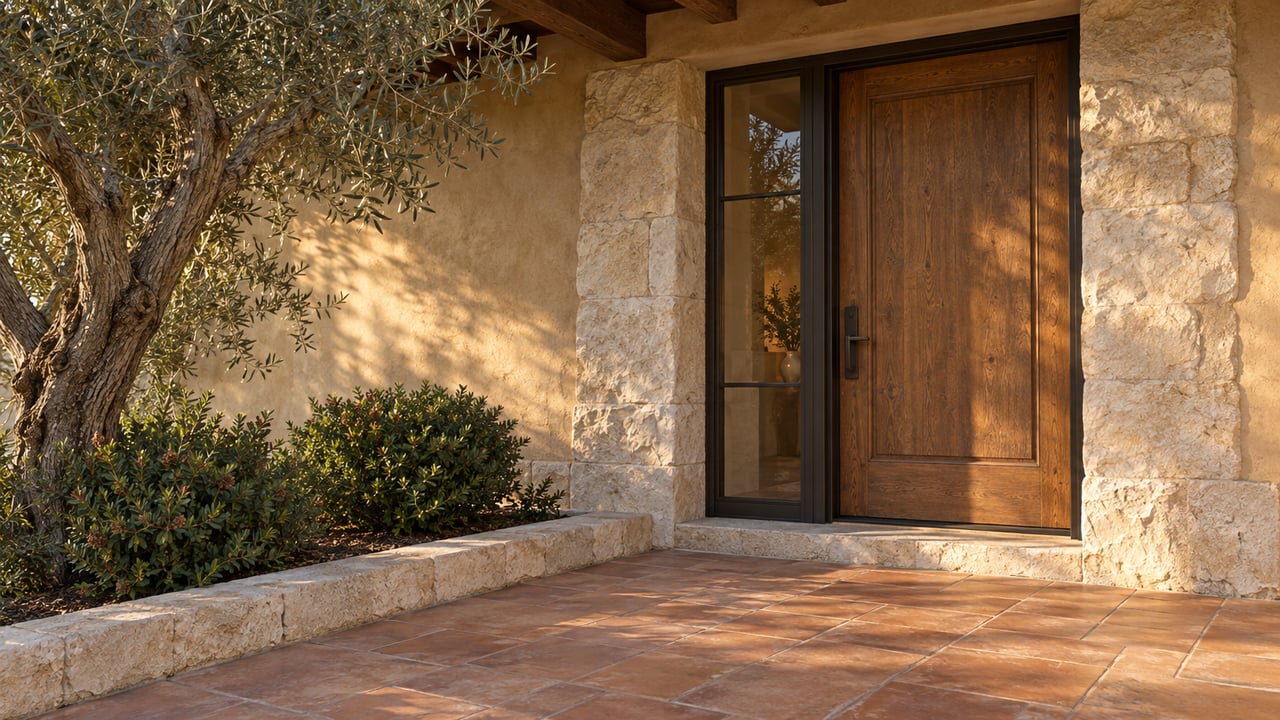
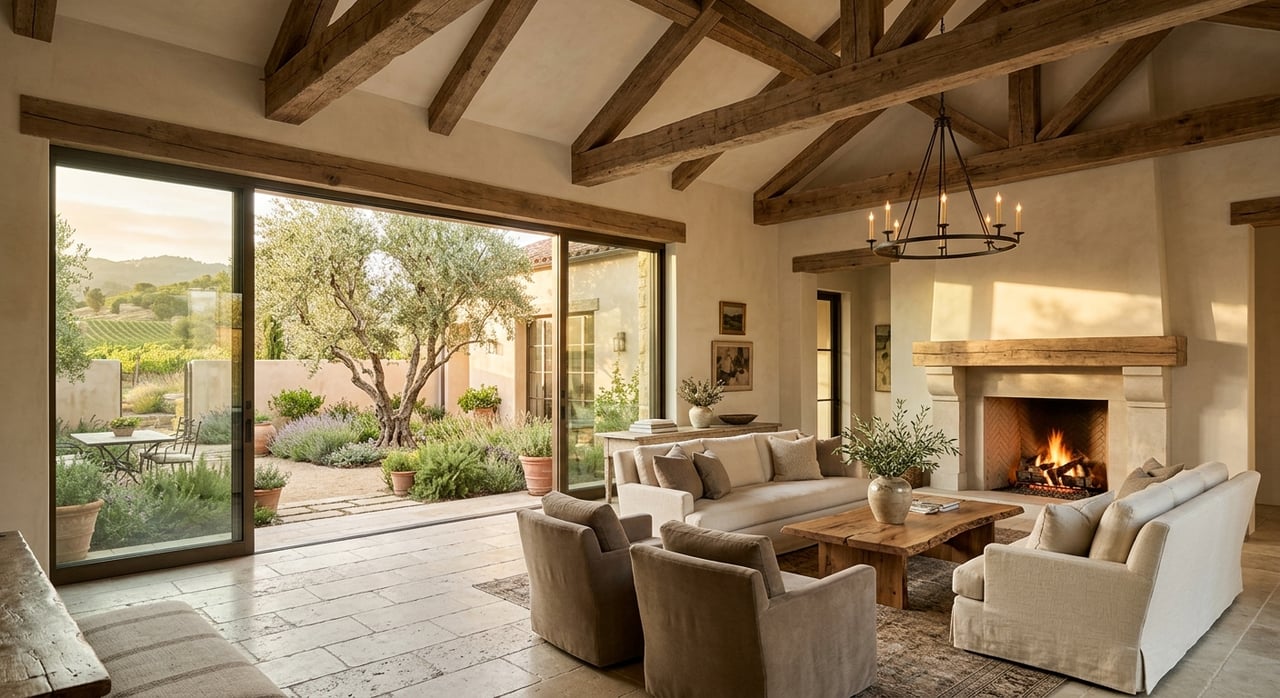
A well-designed St. Helena estate usually does more than look impressive. It reflects the land around it and feels connected to the wider Napa Valley setting. Timeless materials, low-profile estate forms, and a strong indoor-outdoor relationship often carry more weight than trend-driven design.
For many international and out-of-area buyers, architecture is part of risk reduction. A home that already feels appropriate to its setting often reads as more enduring and easier to hold long term. That is especially true in a market where legacy and scarcity influence value.
Vineyard Identity
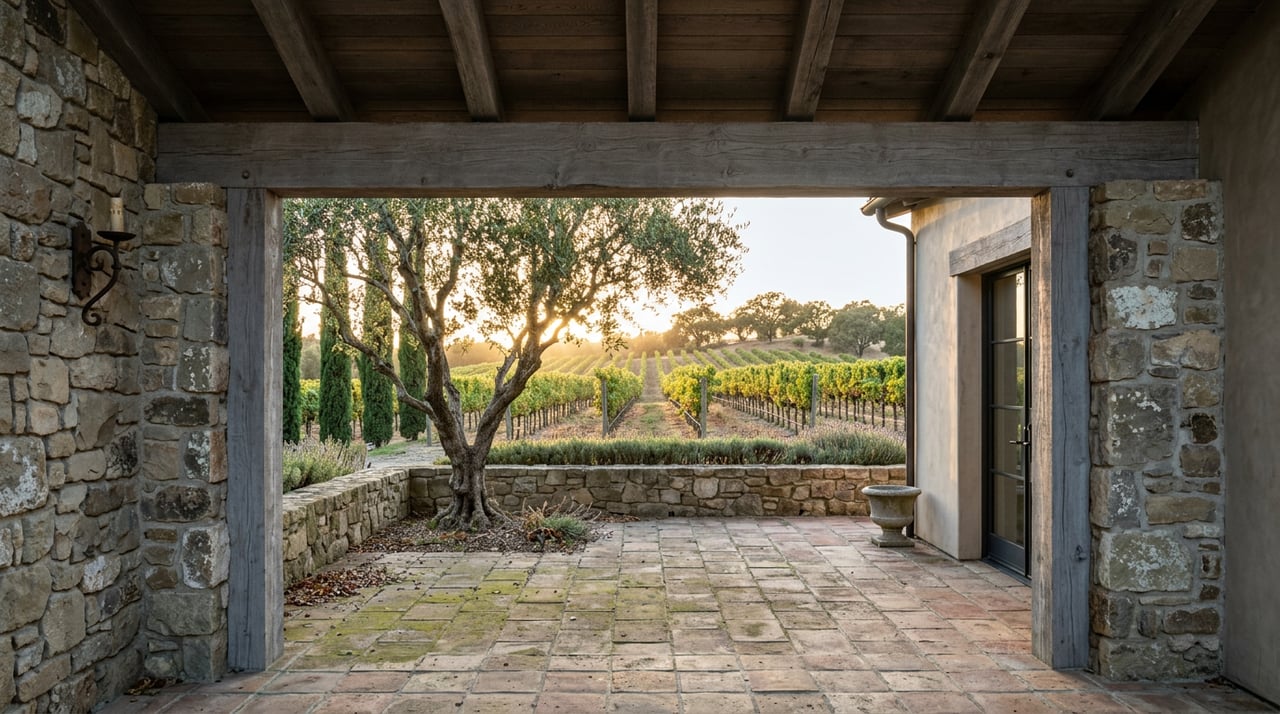
In St. Helena, vines are more than a visual feature. The St. Helena AVA was established in 1995 and includes about 6,800 planted acres and more than 400 vineyards, with production known for structured Cabernet Sauvignon as well as Merlot, Syrah, Zinfandel, and Sauvignon Blanc. That agricultural identity is a major part of what buyers believe they are purchasing.
Even when a buyer is not seeking a large-scale vineyard operation, vineyard acreage can still strengthen the estate narrative. It gives a property a clear Napa Valley identity and can make the holding feel more complete, more private, and more connected to the land.
Olives, Gardens, And Productive Grounds
Many global buyers also respond to olive groves, orchards, gardens, or small farm components. Local estate examples support this pattern, including properties associated with olive orchards, orchards, lakes, and productive grounds. These features can make an estate feel stewarded rather than ornamental.
That distinction matters. Productive landscapes often signal continuity, lifestyle, and family use across generations. In a market like St. Helena, that can be just as appealing as formal luxury amenities.
Privacy And Turnkey Quality
Privacy remains one of the clearest priorities in the luxury segment. Prime-market research points to strong demand for move-in-ready properties, limited buyer appetite for renovation risk, and continued premiums for privacy and high-quality amenities. That aligns well with what many estate buyers seek in Wine Country.
In St. Helena, privacy tends to mean more than gates or distance from neighbors. Buyers often want acreage, views, and separation, but they also want a property that feels easy to enjoy from day one. A polished, well-prepared estate can carry a meaningful premium when the buyer wants certainty and immediate use.
Why Near-Town Access Adds Value
One of St. Helena’s biggest advantages is that estate living does not require total isolation. Downtown is part of the value story, with Main Street offering shops, galleries, restaurants, and notable destinations such as the Culinary Institute of America at Greystone, PRESS Restaurant, Forum at Meadowood, and long-established wineries. For buyers who want a private retreat with access to daily pleasures, that mix is highly attractive.
The town’s scale helps too. St. Helena covers about five square miles and has a population of roughly 5,426, which contributes to an intimate feel. Buyers often see that as a sweet spot between rural seclusion and real-world convenience.
This balance is especially meaningful for people using the property in different ways. A St. Helena estate can work as a second home, a seasonal retreat, or a long-term legacy holding while still offering easy access to a walkable town center. That flexibility can widen buyer interest.
How St. Helena Compares Nearby
Global buyers rarely look at St. Helena in isolation. They usually compare it with other Napa Valley towns, and those comparisons help clarify why St. Helena stands out.
St. Helena Vs. Yountville
Yountville is often associated with a compact, food-first, upscale environment. It appeals to buyers who want a resort-like base and strong restaurant access. St. Helena, by contrast, tends to offer a broader estate identity with more emphasis on heritage, land, and a working Wine Country setting.
St. Helena Vs. Calistoga
Calistoga has a more easygoing, wellness-oriented reputation, shaped in part by its hot-springs and mud-bath heritage. Buyers drawn there may prioritize a casual lifestyle and spa culture. St. Helena usually attracts those who want a more classic blend of historic character, agriculture, and refined town access.
St. Helena Vs. Rutherford And Oakville
Rutherford and Oakville are often more vineyard-centric than town-centric. They can be especially compelling for buyers who are highly focused on wine production, vineyard identity, or famous growing areas. St. Helena offers a similar agricultural backdrop, but with the added strength of a defined town core.
St. Helena Vs. Napa
Napa is the valley’s most urban option, with nightlife, entertainment, river access, and a more contemporary pace. Some buyers want that energy. Others prefer St. Helena because it feels more intimate, more rooted in agricultural heritage, and less urban overall.
The St. Helena Sweet Spot
What global buyers often find in St. Helena is balance. The market can offer privacy without remoteness, sophistication without urban intensity, and agricultural character without giving up convenience. That combination is not easy to find, which is one reason the area continues to hold long-term appeal.
Just as important, St. Helena supports a narrative many luxury buyers want to believe in. It is a place where architecture, winegrowing, and daily life still feel connected. For a buyer thinking about lifestyle, stewardship, and legacy all at once, that can be a powerful draw.
What This Means If You’re Searching
If you are evaluating St. Helena estates, it helps to look beyond surface luxury. The strongest properties often combine several qualities at once:
- A clear connection to Napa Valley’s agricultural identity
- Architecture that feels grounded in place
- Vineyard, olive, garden, or orchard components
- Privacy paired with near-town access
- Turnkey condition with minimal immediate project risk
- A sense of long-term hold value tied to scarcity and provenance
In this market, the story a property tells can matter almost as much as the improvements themselves. Buyers are often choosing not just a residence, but a setting that feels capable of becoming part of a family’s longer timeline.
St. Helena remains one of Napa Valley’s clearest examples of that idea. If you want an estate that offers heritage, privacy, and a real connection to Wine Country life, it is easy to see why this town stays on the radar of discerning buyers from around the world.
If you are considering buying or selling a premier estate, vineyard property, or landholding in Napa Valley, Jeff & Casey Bounsall bring a boutique, land-informed approach shaped by deep Wine Country experience.
FAQs
What do global buyers value most in St. Helena estates?
- Global buyers often prioritize heritage, privacy, turnkey quality, and a strong connection to Napa Valley’s agricultural identity through features like vineyards, olive groves, gardens, and regionally grounded architecture.
Why is St. Helena appealing compared with other Napa Valley towns?
- St. Helena combines a historic, sophisticated, and relaxed town center with a working Wine Country setting, giving buyers privacy and estate scale without losing access to shops, restaurants, galleries, and wineries.
Do vineyards add appeal to St. Helena estate properties?
- Yes. In this market, vineyard acreage can strengthen a property’s Napa Valley identity and help it feel more complete as a private retreat, legacy holding, or long-term investment.
Why does proximity to downtown St. Helena matter for luxury buyers?
- Many luxury buyers want seclusion without full isolation, and St. Helena offers that balance by pairing private estates with convenient access to Main Street amenities and destinations.
What kind of architecture resonates in St. Helena estate homes?
- Buyers often respond best to architecture with a visible sense of place, especially homes that feel rooted in Wine Country history through timeless materials, regional forms, and landscape integration.