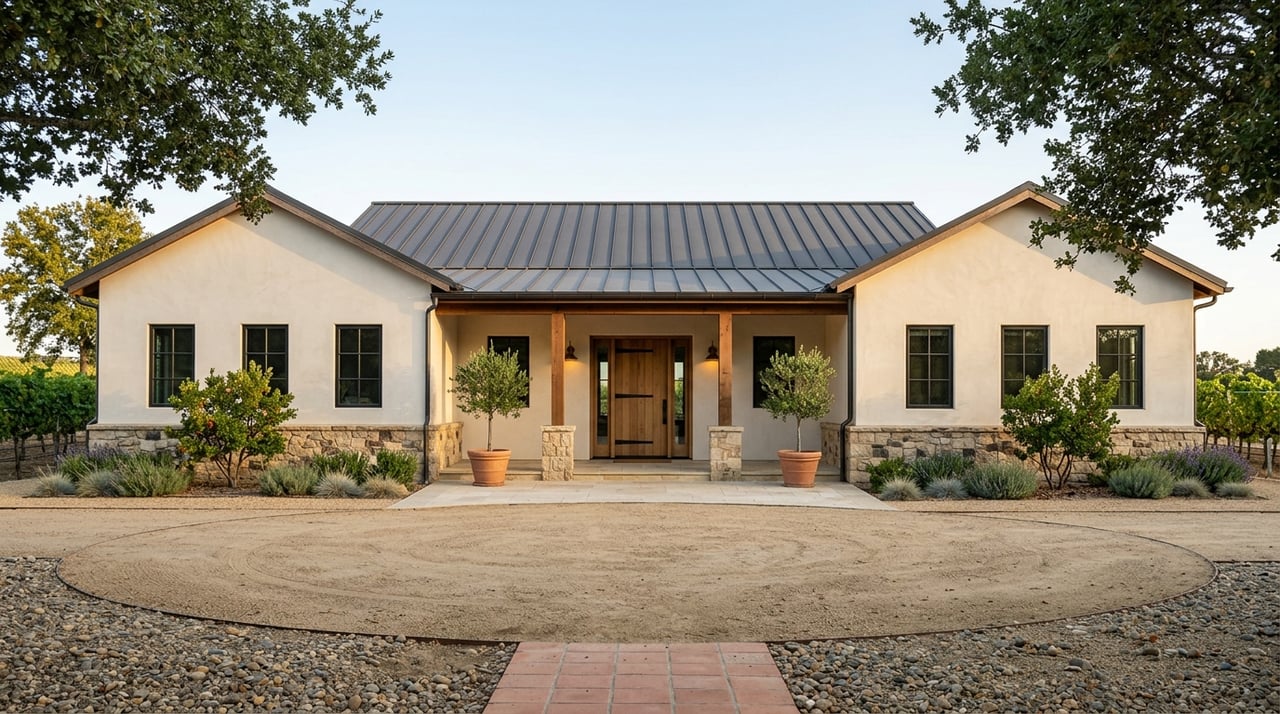
If you are looking at a Napa Valley parcel for a winery, hotel, or visitor-serving concept, the biggest risk is often not the land itself. It is whether the site can actually support your intended use under Napa County’s rules, infrastructure standards, and entitlement process. A parcel can look compelling on paper, but if zoning fit, access, water, wastewater, or CEQA exposure are off, the path can become far longer and more expensive than expected. This is why careful parcel evaluation matters so much in Napa Valley. Let’s dive in.
Why parcel evaluation matters in Napa Valley
Napa County’s planning framework strongly favors preserving agricultural land while directing more intensive housing and commercial growth toward incorporated jurisdictions and designated urbanized areas. According to the Napa County General Plan, tourism and other agriculture-compatible support industries can contribute to the economic viability of agriculture, but that does not mean every rural parcel is an easy fit for hospitality or winery development.
In practical terms, parcels that already have commercial zoning or existing winery or hospitality entitlements usually present less land-use friction than parcels that would require a major conversion or rezoning. If you are underwriting a development site, your first question is not just whether the land is beautiful or well located. It is whether the parcel’s legal and regulatory framework matches your intended business plan.
Start with zoning and entitlement fit
Before you get too far into design ideas, confirm what the parcel can support today. On AP and AW agricultural parcels, Napa County states that wineries are allowed only with an approved winery use permit, while those parcels may also support agriculture and certain residential uses, as shown in the County’s winery application materials.
That distinction matters because winery use rights are not automatic on agricultural land. You need to evaluate whether the parcel is a realistic candidate for the scale of production, visitation, parking, and accessory uses you have in mind.
For hospitality, the path can be very different. Existing commercial zoning may provide a more direct route for lodging or mixed-use concepts. Napa County policy allows existing commercial establishments and additional commercial or mixed residential-commercial uses where they are permitted by the parcel’s commercial zoning, and a 50-room hotel example in CL zoning illustrates how lodging can be feasible when the zoning framework is already commercial.
Understand how specific permits can be
A common mistake is assuming a winery entitlement is broad or flexible. In Napa County, the winery use-permit process can define annual production, visitation levels, marketing activities, parking, and building area. The County’s use-permit guidance makes clear that the permit review also looks closely at infrastructure capacity, including groundwater, wastewater, and traffic.
That means you are not just evaluating a parcel for abstract use. You are evaluating whether the site can support a specific operating model. A small production-focused winery, a tasting-driven hospitality concept, and a larger visitor-serving property can trigger very different review issues and timelines.
Use pre-application work to reduce surprises
For larger or more complex projects, Napa County recommends starting with a pre-application meeting. Based on the County’s winery use materials, staff can help identify likely permit types, related approvals, processing steps, timelines, and technical studies.
This early step can be one of the highest-value moves in the diligence process. It helps you identify whether you are facing a straightforward entitlement path or a more layered process involving CEQA review, public hearings, and additional agency input.
Evaluate access and road standards early
Access is one of the first physical issues to verify. Napa County planning materials require legal access from the public road to the parcel and from the parcel to the project site. The Road and Street Standards also require a minimum 20-foot-wide road with shoulders for new commercial, industrial, and non-residential development.
If the parcel relies on a private road, you need to know whether it can be approved and improved to County standards. Use permits can also trigger left-turn-lane analysis based on traffic counts, sight distance, and safety. A site with limited frontage, constrained geometry, or expensive off-site road upgrades can shift the economics quickly.
Review slopes, setbacks, and visibility
Topography can be decisive in Napa Valley. County planning clearance materials flag issues such as lot legality, conservation regulations, stream setbacks, and viewshed review. Under the County’s planning standards, slopes above 30 percent can require a use-permit exception, slopes above 50 percent can require a variance, and certain visible projects on slopes above 15 percent or on ridgelines may need a viewshed permit.
For a buyer or investor, this means you should not treat gross acreage as fully usable acreage. The real question is how much of the parcel can practically support buildings, access, utilities, parking, wastewater systems, fire infrastructure, and outdoor guest areas while still fitting County rules.
Test water and wastewater capacity
Utilities and environmental capacity should be studied before a parcel goes under contract or during the earliest contingency period. County winery application materials ask for water-supply and waste-disposal plans, and the use-permit process explicitly reviews groundwater, wastewater, and traffic capacity through the winery entitlement process.
In many winery and hospitality evaluations, these are not secondary details. They are central feasibility questions. If the site cannot support the required well production, storage, fire-protection water, or wastewater treatment solution, the development concept may need to be reduced, redesigned, or abandoned.
Account for neighboring agricultural uses
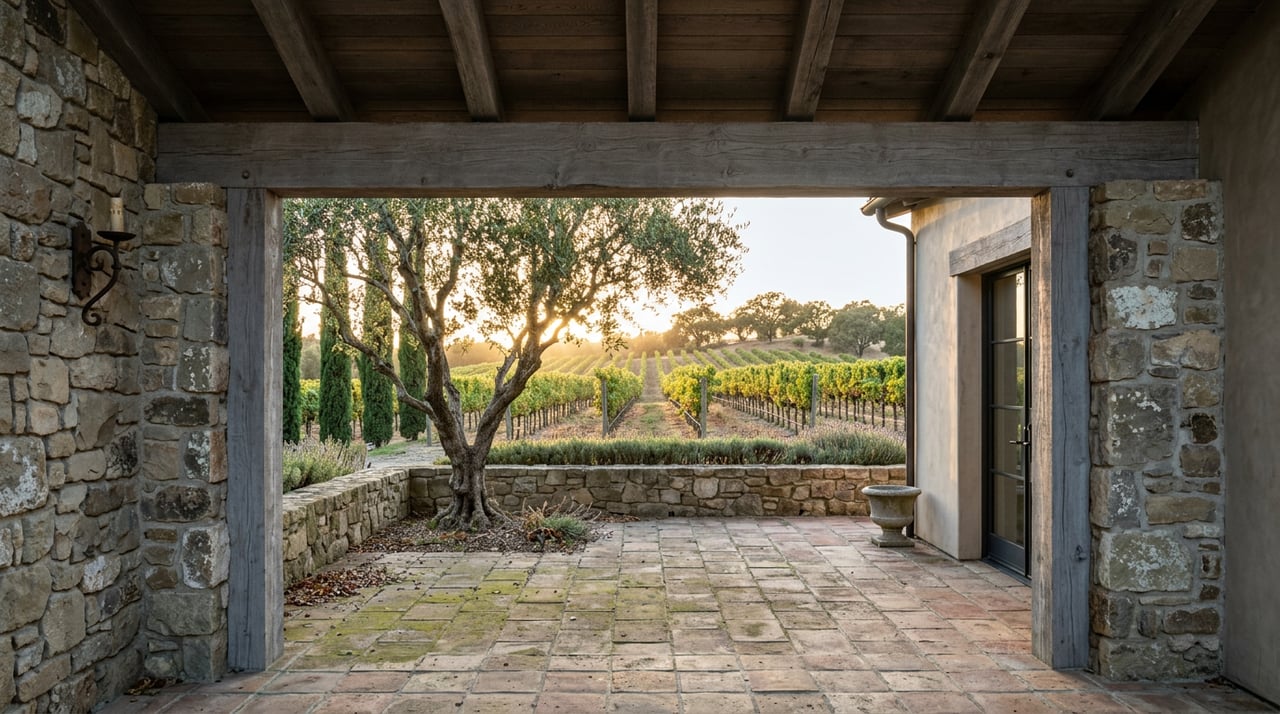
In Napa Valley, adjacent vineyards and agricultural operations are not just part of the scenery. They are part of the regulatory framework. Napa County’s agricultural preservation policies require buffer areas when development abuts agricultural production, and they also require right-to-farm disclosure on parcel maps for locations in or adjacent to agricultural areas, as outlined in the Agricultural Preservation and Land Use Element.
This affects how a parcel can be planned. Building placement, screening, event areas, parking, and access points may all need to respond to neighboring vineyard operations. If your concept depends heavily on outdoor guest use, separation and layout become especially important.
Plan for real entitlement timelines
Timing can shape value just as much as zoning. Napa County notes that a regular use-permit or use-permit-modification process can take from about two months for very minor modifications to four months for minor modifications and one year or more for new use permits or major modifications, depending on complexity and completeness, according to the County FAQ on use permits.
For hospitality projects, timelines can stretch further. A 50-room hotel, restaurant, and retail proposal in CL zoning was filed in 2014, deemed complete in 2019, and reached the Planning Commission in 2020 during final environmental review. That example shows how CEQA-heavy projects can extend over multiple years even when the underlying zoning is more supportive.
Because use permits also generally expire after two years unless a different period is imposed, timing should be built into your acquisition strategy, capital planning, and project sequencing from day one.
Consider the visitor economy carefully
Napa Valley’s hospitality story remains compelling, but it should be viewed through an entitlement lens. Visit Napa Valley reports 3.7 million visitors, $2.5 billion in visitor spending, $107.5 million in tax revenue, and about 16,000 jobs, with nearly 70 percent of visitor spending generated by overnight hotel guests.
That demand helps explain continued interest in lodging and visitor-serving development. At the same time, demand alone does not solve land-use fit. For lodging projects in the unincorporated county, you also need to account for the 13 percent transient occupancy tax and the 2 percent Napa Valley Tourism Improvement District assessment on short-term room rentals, both noted in the same Visit Napa Valley research.
A practical framework for underwriting
When you evaluate a Napa Valley winery or hospitality development parcel, focus on the few issues most likely to change the outcome:
- Zoning fit: Does the parcel’s zoning align with your intended winery, lodging, or mixed-use concept?
- Entitlement scope: What specific operating limits might a permit impose on production, visitation, parking, and events?
- Access and circulation: Is there legal access, compliant road width, and manageable traffic mitigation?
- Topography and constraints: How do slopes, stream setbacks, conservation rules, and viewshed issues affect usable area?
- Water and wastewater: Can the site support your operational plan with realistic utility solutions?
- Agricultural interface: What buffers, disclosures, and site-planning adjustments will adjacent agricultural uses require?
- Timeline and CEQA exposure: How long might approvals take, and what studies or hearings are likely?
These are the questions that tend to separate a promising listing from a workable project.
Why specialized guidance matters
Napa Valley parcel evaluation is rarely just a brokerage exercise. It is a land, planning, and strategy exercise. The key is to identify risk early, understand where the parcel fits within Napa County’s agricultural-preservation framework, and avoid paying development-site pricing for land that cannot realistically support the business plan.
That is where technical parcel research and development-oriented guidance can make a meaningful difference. If you are evaluating a winery, hospitality, or lodging site in Napa Valley, working with advisors who understand parcel history, permitting pathways, and land-use constraints can help you make better decisions before time and capital are committed.
If you are considering an acquisition or preparing a property for sale, Jeff & Casey Bounsall bring a land-first, consultative approach shaped by deep Wine Country parcel experience, development advisory insight, and high-touch representation for vineyard, winery, and hospitality-capable properties.
FAQs
What should you review first when evaluating a Napa Valley winery parcel?
- Start with zoning and entitlement fit, including whether the parcel already has winery or commercial rights in place or would require a new use permit.
How long can a Napa Valley use permit take for a winery or hospitality project?
- Napa County states that minor matters may take a few months, while new use permits or major modifications can take one year or more depending on project complexity and completeness.
Can agricultural land in Napa Valley be used for a winery automatically?
- No. County materials state that wineries on AP and AW agricultural parcels require an approved winery use permit.
Why are access and road standards important for Napa Valley development parcels?
- County standards require legal access and, for new non-residential development, a road with minimum width and shoulders, while traffic conditions may also trigger turn-lane analysis.
What site constraints matter most for Napa Valley hospitality development?
- Common early issues include slope limitations, stream setbacks, viewshed review, water supply, wastewater capacity, and buffers next to agricultural operations.
Why do neighboring vineyards affect a Napa Valley parcel evaluation?
- Napa County requires buffers and right-to-farm disclosures in or near agricultural areas, so adjacent agricultural uses can influence layout, circulation, and guest-area planning.