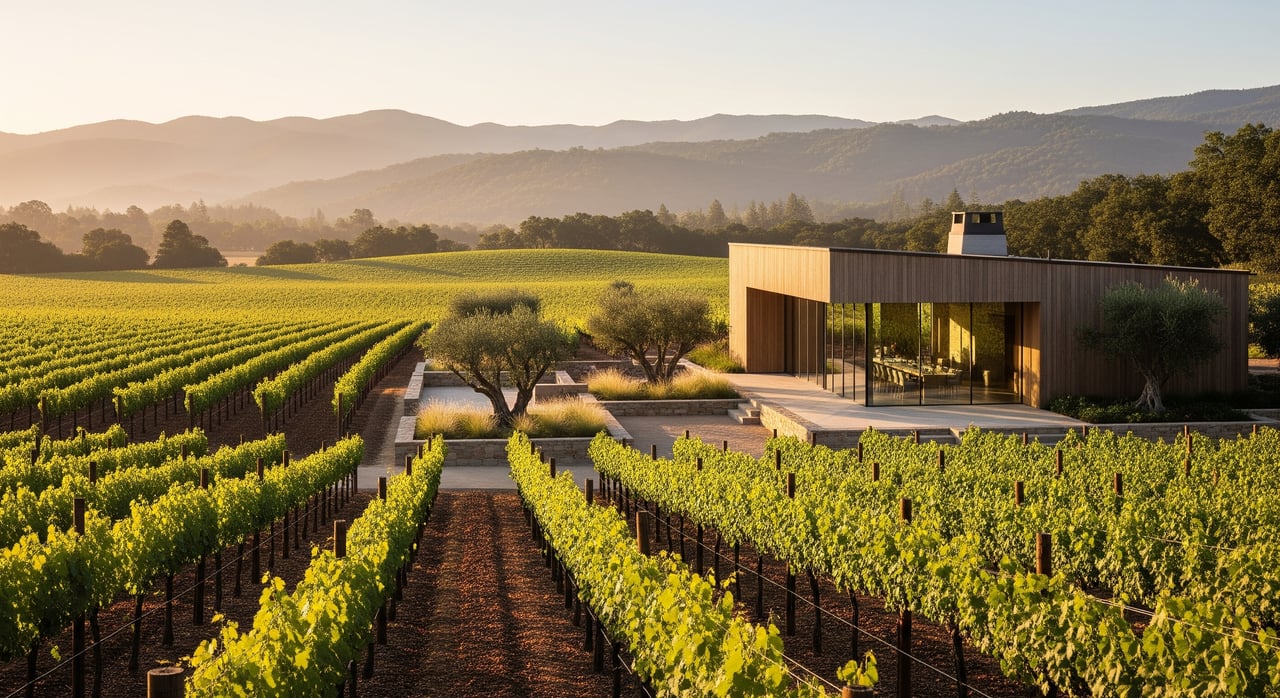
Is your Napa site plan built for the way wine is sold today? With direct-to-consumer tastings, clubs, and shipping driving margins, the best parcels are the ones that welcome guests smoothly and move boxes efficiently. If you are weighing options in Napa, you need more than great soils. You need access, circulation, utilities, and permits aligned with a DTC strategy. This guide shows you how DTC trends translate into on-the-ground site decisions so you can choose the right parcel and build in the right order. Let’s dive in.
Why DTC shapes Napa site value
Direct-to-consumer channels now anchor revenue for many wineries, from tasting rooms and clubs to online orders and on-site events. Growth accelerated during the pandemic and remains a priority for producers. In Napa, that shifts value from pure grape production to visitor experience and fulfillment capacity. Parcels that support welcoming arrivals, efficient parking, flexible tasting areas, and smooth shipping often outperform those that only fit production.
For club-heavy models, repeat visits and seamless pick-ups matter. That raises the importance of dedicated storage, packing stations, and guest-friendly circulation. If you plan curated, appointment-only experiences, you will want privacy, quiet, and compliant event infrastructure. Wholesale-focused buyers can prioritize production efficiency, but should still plan for at least modest DTC capability to protect margin.
Plan for Napa rules first
Napa County’s winery ordinance and zoning code define what you can build and how you can host. Permits often set annual production caps, daily or annual visitor limits, event restrictions, hours of operation, and noise standards. Larger hospitality footprints may trigger traffic studies and environmental reviews, especially on hillside sites or where grading is proposed.
Alcohol licensing and shipping compliance add another layer. On-site sales require the appropriate California ABC license. Direct shipping to consumers means following each destination state’s permit and tax rules. Build these into your timeline and financial plan.
Water and wastewater capacity are common constraints. Hospitality increases water demand and graywater output, so engineered septic systems or municipal connections can drive feasibility. Community sentiment also matters. Visibility, traffic, and event noise can draw scrutiny, which can change permit conditions.
Site criteria guided by your DTC model
Access and visibility
- Prioritize safe, simple ingress and egress near Highway 29, Silverado Trail, or town hubs for predictable drive times.
- Balance exposure and privacy. Visibility supports walk-in traffic while seclusion supports appointment-only, higher-value experiences.
- For higher visitation, plan for turning lanes and adequate sight distance to address traffic impacts.
Visitor flow and parking
- Size on-site parking, including overflow, to peak needs. On-street parking is often discouraged or restricted.
- Map ADA-compliant paths early. Grades, ramps, and landings affect layout and grading costs.
- Design a smooth arrival: staging, valet or shuttle drop-off, and clear wayfinding reduce roadside congestion and improve the first impression.
Tasting room and experience design
- Use flexible indoor and outdoor tasting areas. Outdoor service suits Napa’s climate and can ease building and wastewater pressure.
- Include spaces for private tastings, club pick-ups, and small events to serve multiple guest types without bottlenecks.
- If events are part of your plan, design for separate restrooms, catering access, equipment loading, and sound controls that meet county conditions.
Production, logistics, and shipping
- Separate visitor paths from crush pads and loading zones for safety and guest comfort.
- Allocate space for fulfillment: packing stations, racking, club allocation storage, and a clear route for parcel carriers and box trucks.
- Plan cold storage and backup power if you ship temperature-sensitive SKUs or offer chilled club shipments.
Utilities, wastewater, and environment
- Confirm water sources and drought planning, including wells or potential municipal connections.
- Right-size wastewater systems for hospitality. Engineered septic or municipal tie-ins often drive feasibility and cost.
- For hillside sites, anticipate stormwater and erosion measures that add time and complexity.
- Consider on-site solar, EV charging, and water reuse to meet permit conditions and strengthen your brand story.
Guest services and nearby amenities
- Proximity to dining, lodging, and transportation extends guest stays and supports pairing strategies with hotels.
- On-site lodging requires additional permits and utilities. Size systems accordingly if this is in your roadmap.
Technology and connectivity
- Ensure robust internet for reservations, POS, virtual tastings, and guest expectations. Rural connectivity may require investment.
- Plan check-in stations and member-only areas that integrate with your reservation and CRM tools.
Vineyard and AVA factors
- Appellation claims matter. Location relative to Napa’s sub-AVAs influences marketing and price positioning.
- Aspect, slope, and soils affect planting cost and vineyard performance. Steeper ground raises development and erosion-control requirements.
- Weigh existing planted acres against replant timelines when modeling near-term production.
Match sequencing to your go-to-market
Experience-first sequencing
- Secure hospitality permits, including parking and access approvals.
- Build a welcoming tasting room with member amenities and allocation storage.
- Stand up fulfillment and basic production or aging for current club volumes.
- Add event spaces or lodging after your club base stabilizes.
This approach targets early tasting revenue and club growth to fund later expansions.
Production-first sequencing
- Build core production infrastructure like crush pads, tanks, and barrel storage.
- Lock in permits for volumes and waste handling.
- Add a modest tasting area or partner for hospitality as needed.
This keeps hospitality investment lean when wholesale drives the business.
Hybrid sequencing
- Deliver core production with a scalable, modest tasting footprint.
- Integrate fulfillment to support club shipments and wholesale logistics.
- Design phased hospitality upgrades into the site plan to avoid costly retrofits.
Hybrid plans protect flexibility if market conditions or strategy shift.
Capital priorities that are hard to fix later
- Ingress and egress improvements, parking, and emergency access.
- Wastewater systems sized for hospitality.
- Grading and circulation that establish safe, ADA-compliant paths.
- Electrical capacity for cold storage and future growth.
Napa due diligence checklist
- Zoning and permits: Allowed uses, visitor caps, hours, and event limits.
- Access and traffic: Road classification, sight distance, turning lanes, and distance to Highway 29 or Silverado Trail.
- Water and wastewater: Source reliability, well status, municipal tie-in options, and septic feasibility.
- Environmental: Slope stability, erosion risk, and study requirements for hillside work.
- Guest experience: Topography for outdoor tastings, views, and space for overflow parking and shuttles.
- Production and logistics: Crush pad footprint, barrel storage, loading docks, and truck-turning templates.
- Cold chain and power: Refrigeration needs and backup generation for sensitive shipments.
- Licensing and shipping: ABC license path, sales and excise tax obligations, and state-by-state direct ship rules.
- Community context: Adjacent uses and potential traffic or noise concerns.
- Financials: Per-visitor revenue assumptions, break-even visitation, capital for access and wastewater, staffing, and shipping costs.
Common tradeoffs and smart answers
- Appointments-only vs walk-ins: Appointments control pacing and experience but limit impulse visits. Walk-ins raise variability and require more parking.
- Fulfillment vs tasting area first: If clubs are central, prioritize packing space and allocation storage. If wholesale drives revenue, keep hospitality modest.
- Outsourcing production: Custom crush can defer capital, but compare costs, control, and logistics. You can still launch DTC with tight storytelling and purchasing strategies.
- Shipping complexity: Different states have different rules. Budget for permits and reporting, or consider a 3PL for coverage and compliance.
Putting it together in Napa
Your best Napa parcel is the one that matches your DTC plan, secures the right permissions, and sequences investments to generate early, repeatable revenue. Start with hospitality capacity, parking, and wastewater. Separate guests from production, and design for flexible tastings and efficient fulfillment. Build a clear, phased plan so you can scale experiences, events, and production without rebuilding the site.
If you want a seasoned, land-first perspective on parcels, permitting paths, and development timelines, connect with Jeff & Casey Bounsall. We combine technical land expertise with discreet, high-touch service to help you choose confidently and execute well.
FAQs
What do DTC wine trends mean for a Napa parcel purchase?
- They shift value toward guest experience and fulfillment capacity, so evaluate access, parking, tasting spaces, and shipping logistics alongside vineyard potential.
What permits do I need to host tastings in Napa County?
- Expect a permit that sets production limits, visitor caps, hours, and event conditions, plus ABC licensing for on-site sales and compliance for direct shipping.
How should I size parking for a Napa tasting room?
- Size for peak demand with on-site spaces and consider overflow, ADA paths, and circulation that prevent roadside queuing and congestion.
Can I launch DTC without on-site production in Napa?
- Yes, many start with custom crush while building hospitality and fulfillment, then add production capacity as club and tasting revenue grow.
How do state shipping rules affect a Napa DTC strategy?
- Each state sets permits and tax obligations, so plan compliance and reporting or use a 3PL to expand reach while managing cost and complexity.
What makes a parcel well-suited for a club-focused DTC model?
- Flexible private tasting areas, secure allocation storage, a dedicated packing zone, and smooth pick-up logistics support repeat visits and member experience.