Torn between a walk-to-dinner lifestyle and a private vineyard lane? In Napa, choosing city or country sets the rhythm for your days, your guest experience, and your ownership costs. You want beauty and ease without surprises. In this guide, you’ll compare lifestyle trade-offs, utilities, permits, travel times, risk, and operating budgets so you can choose with confidence. Let’s dive in.
City vs. country at a glance
Living in town prioritizes convenient dining, culture, and municipal utilities. You get quick access to a lively core with places like the Oxbow Public Market and year-round events. Daily errands are easy, and most homes tie into city water and sewer.
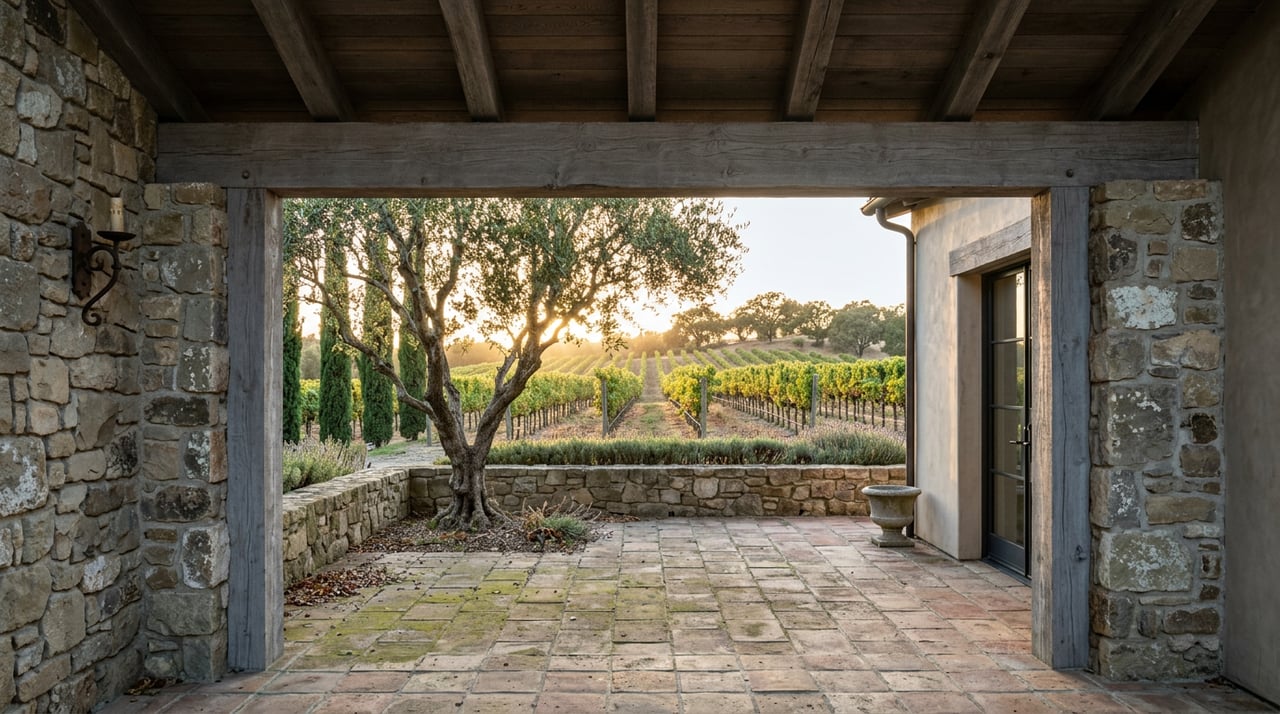
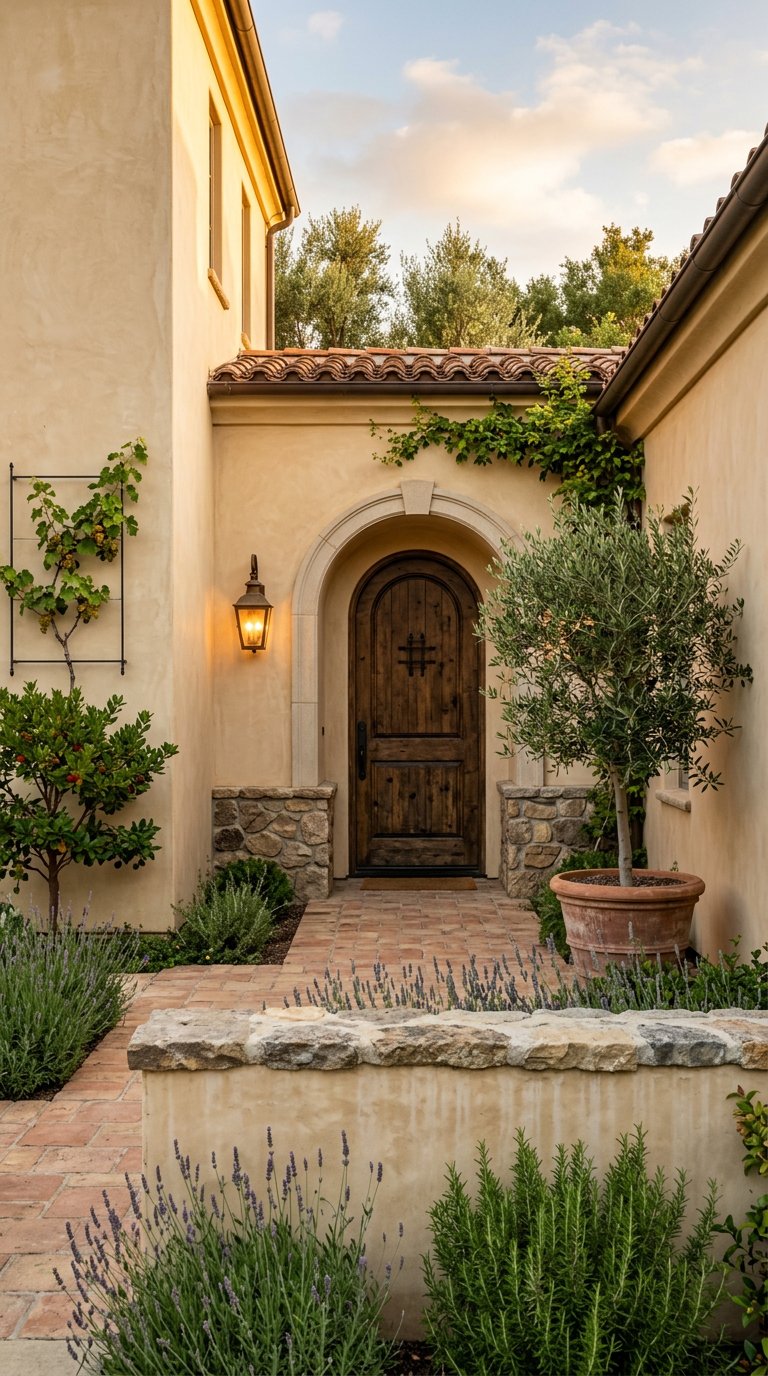
A rural estate emphasizes privacy, acreage, views, and the potential to plant or manage vines. You trade proximity for open space. With that come added responsibilities such as wells, septic systems, fire mitigation, and, if desired, winery or hospitality entitlements.
Lifestyle and daily rhythm
Dining and culture in town
Downtown Napa concentrates restaurants, tasting rooms, and entertainment in a walkable core. The riverfront and Oxbow area make it easy to meet friends, host clients, or enjoy a spontaneous night out without a long drive. If you crave frequent cultural events and fast access to services, in-town living fits.
Privacy and space in the country
Rural Napa Valley offers large-lot privacy, distant neighbors, and long views. You’ll rely on a car or driver for most errands and meals. If you plan to entertain at scale, consider guest and staff access, parking, and the added logistics of moving people in peak seasons.
Visitor traffic and seasonality
Tourism ebbs and flows through late spring to fall and during major event weekends. In town, visitors circulate through set corridors, which can make guest access simpler. In the country, plan for event traffic, valet or shuttle strategies, and site circulation that keeps the experience smooth.
Care, services, and practicality
Medical access
Proximity to acute and specialty care matters for many buyers. Queen of the Valley Medical Center in Napa is the primary local hospital, which makes in-town or near-town sites attractive if fast access to care is a priority.
Schools and providers
Most childcare, schools, and professional services cluster around the city. Estate buyers can plan for bus routes, private tutors, or dedicated staff schedules. When you value routine convenience, living closer to town reduces daily friction.
Getting around Wine Country
Bay Area commute and airports
From Napa city, plan roughly 1.0 to 1.5 hours by car to San Francisco in normal to moderate traffic, with longer times during peak hours. Many travelers find Oakland can be faster depending on route and time of day. Confirm the drive you care about at the times you travel. For reference, see this overview on how to get to Napa from San Francisco.
Napa County Airport serves private aircraft, while most commercial flights route through OAK, SFO, or Sonoma County Airport (STS) depending on your itinerary.
In-valley travel times
The valley is compact but has winding roads. Expect approximate drives from Napa to Yountville in 10 to 20 minutes, to St. Helena in 20 to 35 minutes, and to Calistoga in 35 to 50 minutes. Add margin during harvest and event weekends.
Property types and land use
In-town homes and utilities
Within the City of Napa, you’ll find condos, smaller-lot single-family homes, historic Victorians, and newer infill or mixed-use communities. Most connect to municipal water and sewer, which simplifies additions like pools or ADUs compared to septic. Learn more about city utilities from the City of Napa Utilities Department.
Estates, vines, and zoning basics
Unincorporated Napa Valley features vineyard parcels, hilltop estates, and ranches. County policy places agriculture first, with large-lot standards and protections that shape what you can build and plant. If you plan to add structures, plant vines, or develop hospitality uses, study the County’s agriculture-first framework in the Napa County General Plan early.
Winery and hospitality rights
Winery permitting is a specialized process that sets production, visitation, and event limits. Napa County enforces a Winery Definition Ordinance, and has introduced a micro-winery pathway for small producers. Rules continue to evolve. If you plan tastings or events, assume multi-agency review and public hearings. Start with the County’s overview of the micro-winery pathway and winery rules.
Water, septic, and environmental realities
Municipal versus wells and septic
City homes typically benefit from municipal water and sewer, making upgrades more straightforward. Rural estates often rely on private wells and onsite wastewater systems. Larger guest counts or production uses can trigger water studies or septic upgrades. Expect more due diligence when scaling hospitality in the country.
Groundwater and potential fees
Napa County manages long-term groundwater through a Groundwater Sustainability Agency and plan for the Napa Valley Subbasin. Some unincorporated parcels fall under groundwater fees or analysis requirements, while properties on city systems may be excluded. Verify your parcel status with the County’s Groundwater Sustainability Plan resources.
Fire, defensible space, and sale inspections
Many rural areas sit within high or very high Fire Hazard Severity Zones. Sellers typically must provide a defensible-space inspection during escrow, and buyers should budget for vegetation management and hardening. Review the County’s AB 38 guidance on real estate defensible-space inspections. To help with mitigation, look into the local chipping program.
Risk profile and insurance
Wildfire exposure influences insurance availability and premiums, especially for rural parcels. Coverage can vary by access, vegetation, and your mitigation work. Engage an insurer with California wildfire underwriting expertise before you write an offer, and use inspection findings to refine your budget.
Operating budgets and ongoing costs
City ownership
Plan for municipal utility bills, standard maintenance, and possibly HOA or condo dues. If you operate a permitted short-term rental in the city, you must register and remit the city’s Transient Occupancy Tax according to local rules.
Estate and vineyard ownership
Rural ownership budgets often include road and access upkeep, well and septic maintenance, defensible-space work, and potential water or wastewater upgrades if you add hospitality or production. If you plant or replant vines, UC and Cooperative Extension studies show establishment costs in the tens of thousands per acre, with an illustrative example near 45,000 to 46,000 dollars per acre used for capital recovery in North Coast studies. Actual costs vary with slope, soils, labor, and scale. Build in operating lines for irrigation, farming, crop insurance, and harvest.
Guest stays and STR rules
Short-term rental rules differ sharply by location. In unincorporated Napa County, short-term rentals were prohibited by ordinance adopted in 2010, and the County has enforced that ban; see the County’s notice on unincorporated area STR enforcement. Inside the City of Napa, vacation rentals are allowed only with a city permit and compliance with local procedures. If rental income is part of your plan, confirm jurisdiction and permitting during early due diligence.
A simple way to choose
- Choose in town if you value frequent dining and culture, shorter daily drives, and the ease of municipal utilities.
- Choose a rural estate if you want privacy, vineyard or production potential, and are ready to manage wells, septic, and fire mitigation, plus any winery or hospitality permits you may pursue.
What to verify early
- Jurisdiction and zoning: city versus unincorporated, plus current use designations.
- Utilities: city water and sewer connection, or well logs, yield tests, and water-system permits.
- Septic capacity: permit history, recent inspections, and any constraints on bedroom counts or events.
- Fire compliance: AB 38 defensible-space inspection status and likely mitigation costs.
- Winery or vineyard details: any existing use permits, production or visitation caps, soil maps, vine age, and contracts.
- Groundwater and reporting: whether your parcel falls within the Subbasin and any related fees or conditions.
When you are ready to tour both options, bring a land-first advisor who can translate these details into a clean plan. If you want a nuanced read on utilities, water, fire, and entitlement paths, reach out to Jeff & Casey Bounsall for a confidential consultation.
FAQs
How does living in the City of Napa compare to a rural estate for daily convenience?
- In town you gain quick access to restaurants, culture, and municipal utilities, while rural estates trade that convenience for privacy, acreage, and vineyard potential.
How long does it take to drive from Napa to San Francisco on a typical day?
- Plan about 1.0 to 1.5 hours by car in normal to moderate traffic, with longer times during peak commute hours.
What should I know about wells and septic when buying an estate in Napa Valley?
- Many rural parcels rely on private wells and onsite wastewater systems, so review well yield, septic permit history, and any needed upgrades early in due diligence.
Are short-term vacation rentals allowed on Napa Valley estates?
- In unincorporated Napa County, short-term rentals are prohibited by ordinance, while the City of Napa allows them only with a city permit and compliance with local rules.
What permits do I need if I want tastings or events on my property?
- Winery and hospitality rights are governed by County rules that set production, visitation, and event limits; expect a detailed permitting process and multi-agency review if you plan tastings or events.