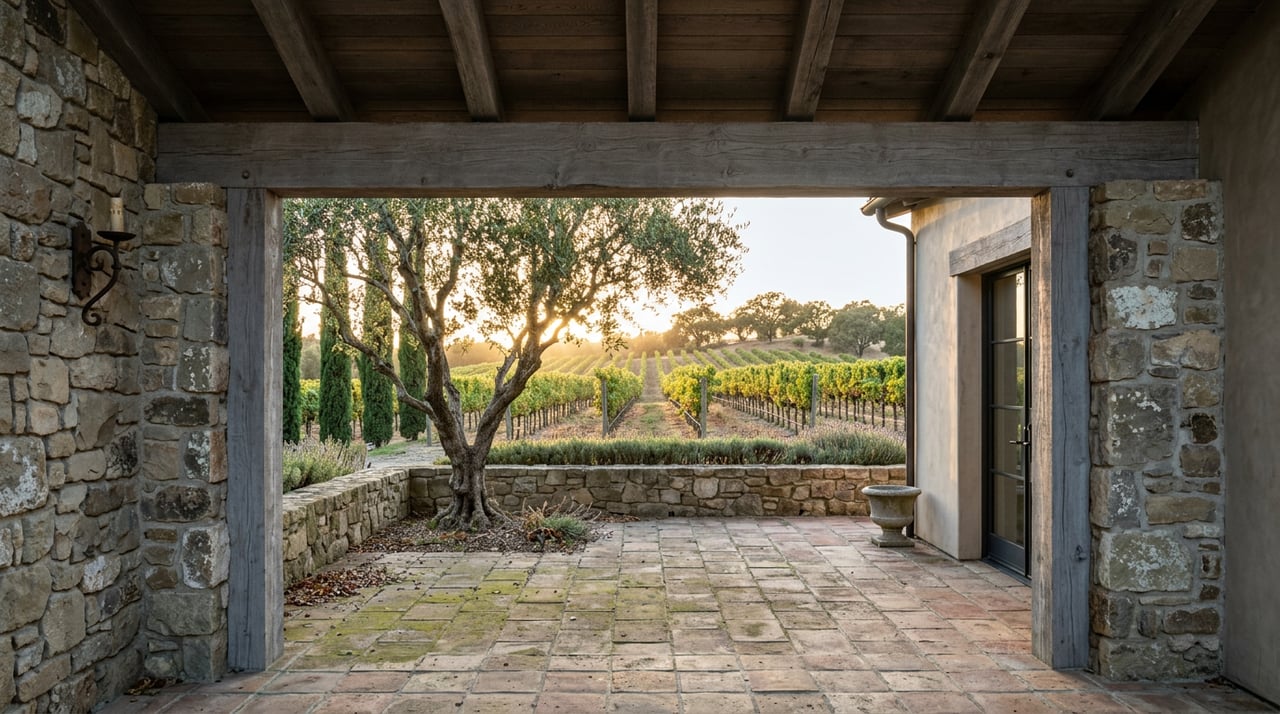
A castle-backed vineyard purchase catches attention for a reason. When a premium brand steps into a small, tightly defined appellation like Green Valley of Russian River Valley, it usually signals more than simple acreage demand. If you are watching Sonoma vineyard real estate, this kind of move can help you understand what sophisticated buyers value most. Let’s dive in.
Why Green Valley Gets Attention
Green Valley of Russian River Valley is a formally defined American Viticultural Area, or AVA, recognized for distinct geographic and climate conditions rather than any official quality ranking. According to the Alcohol and Tobacco Tax and Trade Bureau, an AVA identifies origin and growing conditions, which is important for both growers and buyers.
That distinction matters in Green Valley because the appellation is small and specific. The area was first established in 1983 as Sonoma County Green Valley and later renamed Green Valley of Russian River Valley in a 2007 final rule to better describe origin and reduce confusion with other places named Green Valley.
The AVA also sits entirely within Russian River Valley, Sonoma Coast, and North Coast. That layered identity gives vineyard owners and wineries a strong place story, which can matter when fruit is sold, bottled, or marketed.
What a Castle-Backed Deal Suggests
When a castle-branded or luxury winery buyer acquires vineyard property in Green Valley, the takeaway is not just prestige. It suggests that the buyer sees value in a rare mix of AVA recognition, cool-climate farming conditions, and label relevance.
Green Valley is one of Sonoma County’s smallest AVAs, with about 19,000 total acres and roughly 3,600 acres planted to grapes, according to Sonoma County Tourism. It is also more vineyard-centric than winery-centric, which means land and fruit sources often play a larger role than large-scale visitor infrastructure.
For a premium winery, that can be appealing. A distinct sub-appellation inside the Russian River Valley family offers both specificity and broader recognition, especially for Pinot Noir and Chardonnay.
Why Pinot Noir Fits Here
Green Valley’s reputation is closely tied to climate and soils. The original federal rule described the area as a cool-climate Region I growing area with cool nights and early morning fog, conditions that can help grapes reach maturity with lower sugar levels and higher natural acidity, as noted in the 1983 Federal Register rulemaking record.
That profile is one reason Pinot Noir performs so well here. Sonoma County Winegrowers explains that Green Valley’s hills help trap fog and create relatively narrow temperature swings, making the region especially well suited to Pinot Noir and Chardonnay.
Soils are part of the story too. The area is known for Goldridge fine sandy loam, a well-draining soil that also contains enough clay in some settings to help retain moisture. For vineyard buyers, that combination can support both vine balance and site resilience.
Why the Name on the Label Matters
A vineyard purchase in Green Valley is not only about farming performance. It is also about what the site can support on a bottle.
Under TTB labeling rules for appellations of origin, an AVA claim generally requires at least 85 percent of the wine to come from grapes grown in the named AVA, with the wine finished in the same state. For an estate bottled claim, the standard is even tighter: 100 percent of the grapes must come from land owned or controlled by the winery, and both the vineyard and winery must be inside the AVA.
That makes AVA identity commercially meaningful. If a buyer acquires the right site in a recognized appellation, the land may support more than production. It may also support estate control, a vineyard-designate program, or a more precise origin story.
Why Green Valley Stands Apart
Green Valley’s boundaries were drawn with climate differences in mind. During the original rulemaking process, land east of Highway 116 was excluded because growers viewed it as warmer and materially different, according to the federal naming history and final rule.
That detail matters because it shows how carefully the appellation’s identity was formed. Green Valley is not simply a marketing phrase. Its limits reflect documented differences in growing conditions.
For vineyard and land buyers, that type of boundary discipline can strengthen long-term positioning. A site inside a clearly understood AVA may be easier to explain, market, and potentially resell than one in a less defined location.
What the Market Is Signaling
Public commentary from Sonoma County wine industry sources suggests continued demand for Green Valley fruit. Sonoma County Winegrowers notes that the appellation has supplied some of Sonoma County’s best-known grapes and wines for decades and highlights transactions such as DuMOL’s acquisition of Dr. Galante Vineyard as an example of producers reinforcing estate control in the area through strategic vineyard ownership.
That does not mean every parcel carries the same value. It does suggest that serious buyers continue to pursue vineyard land in Green Valley when the site aligns with production goals and brand strategy.
This is especially relevant in an AVA that remains more source-driven than volume-driven. As Sonoma County Tourism notes, Green Valley is still more vineyard-heavy than winery-heavy, which helps explain why wines from the area are often tied to specific sites rather than broad blended branding.
What Buyers Can Learn From the Deal
If you are evaluating vineyard property in Green Valley or a similar Sonoma appellation, a headline acquisition can be useful as a case study. The key lesson is that value is rarely about acreage alone.
You need to look at the full stack of factors, including:
- AVA identity and labeling utility
- Climate profile and fog influence
- Soil structure and drainage
- Frost considerations
- Water access and operational support
- Whether the site can stand on its own as a vineyard-designate story
The original Green Valley rule specifically referenced local creeks as water sources for frost protection, which shows how practical vineyard operations and site quality intersect in this appellation. At the same time, later Sonoma County commentary emphasizes the combined role of fog, wind, and moisture-retaining clay in supporting vine performance.
Why This Matters in Sonoma Real Estate
For vineyard real estate, a purchase by a premium wine brand can reveal what the upper end of the buyer pool is prioritizing. In Green Valley, that appears to be a combination of scarcity, appellation clarity, Pinot-friendly conditions, and the ability to translate land into a differentiated bottle story.
That is also why vineyard due diligence needs to go deeper than a map and a planting count. Buyers often need to understand parcel history, site characteristics, and how the property fits into long-term operational or branding goals.
This is where a land-first approach can make a difference. In specialized markets like Sonoma County vineyard property, understanding terroir, parcel details, and market positioning is often just as important as understanding price.
A Measured Takeaway
A castle-backed acquisition in Green Valley does not automatically raise the value of every nearby vineyard. What it does reveal is the continuing pull of a small, clearly defined AVA with strong Pinot Noir credentials and useful appellation recognition.
If you own vineyard land, are considering a purchase, or are preparing a property for sale, the lesson is straightforward: the most compelling vineyard assets tend to pair sound farming fundamentals with a clear market identity. In Green Valley, those elements are unusually well aligned.
If you are evaluating vineyard land, winery development property, or a legacy estate in Sonoma County, Jeff & Casey Bounsall bring a boutique, highly technical approach grounded in land research, vineyard knowledge, and discreet advisory service.
FAQs
What makes Green Valley of Russian River Valley different from other AVAs?
- Green Valley is a small, formally defined AVA recognized for distinct climate and geographic conditions, especially cool fog influence, narrow temperature swings, and well-draining soils.
Why is Green Valley important for Pinot Noir vineyards?
- Public sources describe Green Valley as especially well suited to Pinot Noir because of its cool climate, morning fog, and Goldridge soils that support drainage and vine balance.
What does an AVA name mean for a vineyard buyer?
- An AVA can matter because it helps define grape origin for labeling, supports a clearer market identity, and may strengthen the site’s long-term positioning for winery buyers.
What can a premium winery purchase reveal about vineyard value?
- It can show which traits sophisticated buyers prioritize, such as appellation clarity, climate fit, soil performance, and the ability to support estate or vineyard-designate bottlings.
What should you review before buying a Green Valley vineyard?
- You should review climate, soils, drainage, frost considerations, water access, AVA positioning, and how the parcel may fit future farming, branding, or resale goals.